
Diabetes affects the eyes mainly through changes in blood glucose levels and damage to delicate blood vessels and other eye tissues. When glucose remains above the recommended range for a long time, it can gradually affect the structures responsible for clear vision.
The retina is particularly vulnerable because it contains many tiny blood vessels that supply oxygen and nutrients to the light-sensitive cells.
However, diabetes can affect more than the retina. It may also change the eye’s natural lens, increase the risk of glaucoma, and contribute to dry eye symptoms.
1. Damage to the Small Blood Vessels
The small blood vessels inside the eyes are sensitive to prolonged high blood glucose. Over time, their walls may weaken, become blocked, or begin leaking fluid and blood.
These changes can reduce the retina’s blood supply and interfere with normal vision.
When blood vessels become severely damaged, the retina may respond by growing new blood vessels. Unfortunately, these new vessels are often fragile and can bleed easily.
This process is a major part of diabetic retinopathy.
2. Temporary Changes in Vision
Not every vision change in a person with diabetes means permanent eye damage.
When blood glucose levels rise or fall significantly, fluid levels in the eye’s lens can change. This can temporarily affect the way light focuses on the retina, causing blurry vision.
Temporary blurring may occur when someone:
- Has recently been diagnosed with diabetes
- Starts a new diabetes treatment
- Experiences significant changes in blood glucose
- Has difficulty maintaining stable glucose levels
Vision may improve as blood glucose becomes more stable. However, persistent or sudden blurry vision should always be assessed by an eye-care professional rather than automatically attributed to changing blood sugar. <Cite refs={[“turn674951search0″,”turn674951search1”]}/>
Common Eye Problems Caused by Diabetes
Diabetic eye disease refers to a group of conditions that can affect people living with diabetes. The most recognised complications include diabetic retinopathy, diabetic macular edema, cataracts, and glaucoma.
Each condition affects a different part of the eye, and symptoms can vary considerably.
1. Diabetic Retinopathy
Diabetic retinopathy is one of the most important eye complications associated with diabetes. It develops when prolonged high blood glucose damages the tiny blood vessels in the retina.
The retina is located at the back of the eye and converts light into signals that travel to the brain through the optic nerve.
When its blood vessels become damaged, they may leak, become blocked, or develop abnormal new growth.
Early-Stage Diabetic Retinopathy
The early stage is called nonproliferative diabetic retinopathy (NPDR).
During this stage, small areas of swelling and weakened blood vessels may appear. Tiny bulges called microaneurysms can develop, and some vessels may leak fluid or blood.
Many people have no noticeable vision problems during this stage. An eye examination may reveal changes even when everyday eyesight seems normal.
Advanced Diabetic Retinopathy
In advanced disease, known as proliferative diabetic retinopathy (PDR), abnormal new blood vessels grow on the surface of the retina or nearby structures.
These vessels are fragile and can bleed into the vitreous, the gel-like substance inside the eye. Scar tissue may also form and pull on the retina.
Possible complications include vitreous hemorrhage and tractional retinal detachment, both of which can seriously threaten vision.
Early diagnosis and appropriate treatment can help reduce the risk of severe vision loss. <Cite refs={[“turn674951search2″,”turn674951search8”]}/>
2. Diabetic Macular Edema
Diabetic macular edema (DME) occurs when fluid leaks from damaged retinal blood vessels and collects in the macula.
The macula is the central part of the retina responsible for detailed vision. It helps people read, recognise faces, drive, and see objects clearly.
When fluid builds up in this area, the macula becomes swollen and its ability to process detailed images may be affected.
Symptoms of Diabetic Macular Edema
People with DME may experience:
- Blurry central vision
- Difficulty reading small text
- Distorted straight lines
- Difficulty recognising faces
- Reduced clarity when looking at nearby objects
- Changes in colour perception
DME can occur at different stages of diabetic retinopathy. It may affect one or both eyes.
How Is It Treated?
A retina specialist may recommend anti-VEGF injections, steroid treatment, or selected laser procedures, depending on the location and severity of the swelling.
Optical coherence tomography (OCT) is commonly used to examine the macula and monitor changes during treatment. <Cite refs={[“turn674951search1″,”turn674951search2”]}/>
3. Cataracts
A cataract develops when the normally clear lens inside the eye becomes cloudy.
The lens helps focus light onto the retina. When it becomes cloudy, light cannot pass through as clearly, making everyday activities more difficult.
People with diabetes have a greater risk of developing cataracts and may develop them at a younger age than people without diabetes.
Common Cataract Symptoms
Signs may include:
- Cloudy or blurry eyesight
- Faded colours
- Difficulty seeing at night
- Increased sensitivity to bright lights
- Glare from headlights
- Frequent changes in glasses prescription
Cataracts usually develop gradually, so some people may not notice the changes immediately.
Cataract Treatment
In the early stages, updated glasses and better lighting may help improve everyday vision.
If cataracts significantly interfere with daily activities, an ophthalmologist may recommend surgery. During cataract surgery, the cloudy natural lens is removed and replaced with an artificial lens.
People with diabetes may need additional retinal assessment before and after surgery, particularly if diabetic retinopathy or macular edema is present. <Cite refs={[“turn674951search3″,”turn674951search5”]}/>
4. Glaucoma
Glaucoma refers to a group of conditions that damage the optic nerve, which carries visual information from the eye to the brain.
Having diabetes increases the risk of developing glaucoma. Certain forms of advanced diabetic retinopathy can also cause abnormal blood vessels to grow near the eye’s drainage system, leading to a type called neovascular glaucoma.
Symptoms of Glaucoma
Open-angle glaucoma often develops slowly and may not cause noticeable symptoms in its early stages.
As the condition progresses, a person may experience:
- Gradual loss of peripheral vision
- Difficulty seeing objects to the side
- Reduced visual field
- Tunnel-like vision in advanced cases
Some other types of glaucoma can cause sudden eye pain, redness, blurred vision, headache, nausea, or halos around lights.
Sudden severe eye pain with vision changes requires emergency assessment.
Glaucoma Treatment
Treatment aims to reduce pressure inside the eye or otherwise protect the optic nerve. Depending on the type and severity, an ophthalmologist may recommend prescription eye drops, laser procedures, or surgery.
Glaucoma-related optic nerve damage cannot usually be reversed, making early detection particularly important. <Cite refs={[“turn674951search1″,”turn674951search7”]}/>
5. Dry Eye
Some people with diabetes experience dry eye symptoms. This happens when the eyes do not produce enough tears or when tears do not provide adequate lubrication.
High blood glucose and changes in the nerves that help regulate tear production may contribute to the problem.
Signs of Dry Eye
Common symptoms include:
- Burning or stinging
- A gritty feeling
- Eye redness
- Excessive watering
- Irritation when reading or using screens
- Blurry vision that may temporarily improve after blinking
An eye-care professional can determine whether dry eye is present and recommend suitable treatment, such as lubricating eye drops or other therapies.
Dry eye is not always caused by diabetes, so persistent symptoms deserve an examination. <Cite refs={[“turn674951search15″,”turn674951search5”]}/>
Early Signs That Diabetes May Be Affecting Your Eyes
One of the biggest challenges with diabetic eye disease is that early damage may develop without obvious symptoms.
A person may continue reading, working, and driving normally while changes are occurring inside the eye.
However, certain symptoms should encourage people with diabetes to arrange an eye examination.
Blurred Vision
Blurry eyesight can develop because of temporary glucose-related changes in the lens, cataracts, or diabetic macular edema.
If blurring continues, returns frequently, or becomes worse, arrange an eye examination.
Dark Spots or Floaters
Floaters may appear as small dots, threads, or cobweb-like shapes that move when the eyes move.
A sudden increase in floaters can indicate bleeding inside the eye, particularly in someone with advanced diabetic retinopathy.
Seek urgent eye care if this happens.
Flashes of Light
Flashes may look like brief streaks or sparks of light, even when no light source is present.
New flashes, especially when accompanied by floaters or a dark shadow, can indicate a retinal problem that needs urgent assessment.
Difficulty Seeing at Night
Some people with diabetes experience difficulty seeing in low-light conditions. Cataracts and other eye problems can contribute to this symptom.
If night vision becomes noticeably worse, discuss it with an ophthalmologist.
Distorted Straight Lines
If straight lines appear bent, wavy, or uneven, the macula may be affected.
This can occur with diabetic macular edema and other retinal conditions. An OCT examination may help identify the cause.
Sudden Vision Loss
Sudden loss of vision in one or both eyes is a medical emergency.
It may be associated with retinal bleeding, retinal detachment, a blocked blood vessel, or another serious condition.
Do not wait for symptoms to improve on their own. Seek immediate medical attention.
Who Is at Higher Risk of Diabetes-Related Eye Problems?
Anyone with diabetes can develop diabetic eye disease. However, some factors increase the likelihood of retinal damage and other complications.
Long Duration of Diabetes
The longer a person has diabetes, the more time there is for prolonged high blood glucose to affect the blood vessels in the eyes.
People who have lived with diabetes for many years should be particularly careful about attending regular eye examinations.
Poor Blood Glucose Control
Persistently elevated blood glucose increases the risk of damage to retinal blood vessels.
Working with a diabetes care team to maintain an appropriate HbA1c and glucose range can help reduce this risk.
High Blood Pressure
High blood pressure can place additional strain on small blood vessels throughout the body, including those in the retina.
People with both diabetes and hypertension may have a greater risk of diabetic eye complications.
High Cholesterol
Abnormal cholesterol and blood lipid levels are also associated with a higher risk of vascular complications.
Regular monitoring and appropriate treatment can support overall cardiovascular and eye health.
Smoking
Smoking damages blood vessels and increases the risk of several health complications.
People with diabetes who smoke should consider seeking support to quit.
Pregnancy
Pregnancy can increase the risk of progression of diabetic retinopathy in some women who already have diabetes.
Women with pre-existing type 1 or type 2 diabetes should discuss eye examinations before pregnancy or as early as possible during pregnancy. Follow-up during and after pregnancy should be based on the ophthalmologist’s recommendations.
Gestational diabetes alone does not generally carry the same established retinopathy risk as pre-existing diabetes. <Cite refs={[“turn674951search8″,”turn674951search9”]}/>
How Do Doctors Check Whether Diabetes Is Affecting the Eyes?
A comprehensive eye examination helps identify diabetic eye disease before major vision changes occur.
An eye-care professional may use several tests depending on the patient’s symptoms and medical history.
1. Dilated Eye Examination
This is one of the most important examinations for detecting diabetic retinopathy.
Special eye drops widen the pupils, allowing the ophthalmologist to examine the retina and optic nerve.
The doctor checks for:
- Retinal bleeding
- Microaneurysms
- Damaged or blocked blood vessels
- Abnormal new blood vessels
- Macular swelling
- Signs of retinal detachment
The drops may temporarily cause blurred near vision and light sensitivity.
2. Optical Coherence Tomography
OCT produces detailed cross-sectional images of the retina.
It helps doctors identify fluid accumulation, swelling, and structural changes in the macula.
The test is non-invasive and is frequently used to diagnose and monitor diabetic macular edema.
3. Fundus Photography
Fundus photography captures images of the back of the eye.
These images help doctors document retinal changes and compare them with photographs taken during previous examinations.
They are also used in some diabetic eye screening programmes.
4. Fluorescein Angiography
In this test, a special dye is injected into a vein, usually in the arm. A camera captures images as the dye moves through the blood vessels in the retina.
The examination can help identify leaking blood vessels, areas with poor blood supply, and abnormal new vessel growth.
It is generally recommended when the specialist needs additional information about retinal circulation.
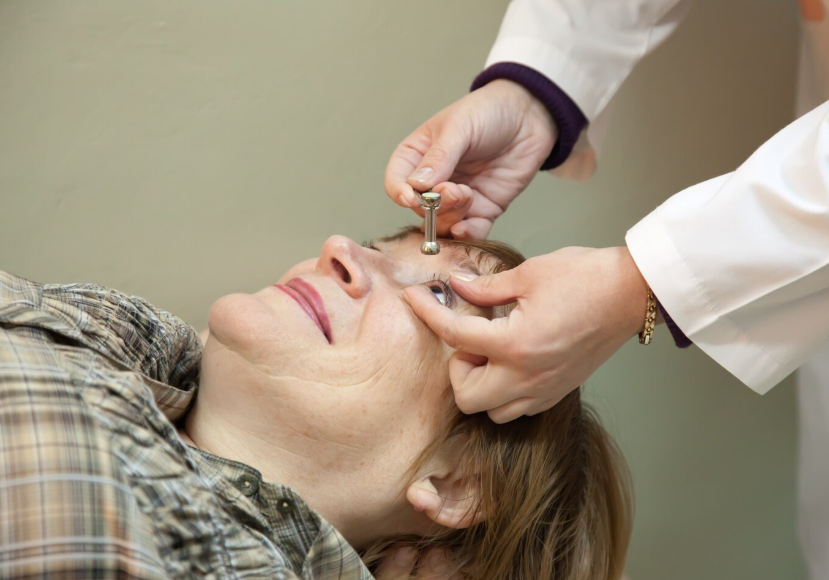
5. Eye Pressure Measurement
An ophthalmologist may measure the pressure inside the eyes to check for glaucoma risk.
This is particularly relevant for people with diabetes who have other risk factors or signs of optic nerve damage.
How Can You Protect Your Eyes If You Have Diabetes?
Although diabetes increases the risk of eye disease, there are practical steps that can help reduce the risk of complications and protect vision.
Keep Blood Glucose Within Your Recommended Range
Good diabetes management is one of the most important ways to protect retinal blood vessels.
Follow the treatment plan provided by your healthcare professional. This may include medication, insulin, healthy eating, physical activity, and regular glucose monitoring.
Your HbA1c target should be individualised according to your health and treatment needs.
Control Blood Pressure
Check your blood pressure regularly and follow medical advice if it is elevated.
Taking prescribed medication, maintaining a healthy weight, limiting excess salt, and staying physically active may support better blood pressure management.
Manage Cholesterol
Ask your healthcare provider how frequently your cholesterol should be checked.
If medication is recommended, take it as prescribed and discuss any concerns rather than stopping treatment independently.
Attend Regular Diabetic Eye Examinations
Do not rely on your eyesight alone to judge whether your eyes are healthy.
Many people with early diabetic retinopathy have no symptoms. A dilated eye examination can detect changes before they cause noticeable vision loss.
Eat a Balanced Diet
Choose a varied diet that supports diabetes management and general health.
Include vegetables, fruits in appropriate portions, whole grains, lean proteins, and healthy fats. Follow any dietary recommendations made by your diabetes care team.
No particular food, juice, or supplement can replace diabetic eye screening or prescribed treatment.
Stay Physically Active
Regular physical activity can support blood glucose control, blood pressure management, and cardiovascular health.
Choose activities that are appropriate for your overall health and discuss exercise restrictions with your healthcare provider if you have advanced eye disease or other complications.
Stop Smoking
If you smoke, ask your doctor about available support, counselling, and smoking cessation treatments.
Avoiding tobacco can improve overall vascular health.
Follow Your Eye Treatment Plan
If you have already been diagnosed with diabetic retinopathy, attend every recommended appointment.
Do not skip retinal injections, laser follow-ups, or monitoring visits simply because your eyesight feels normal.
The right treatment schedule depends on the severity of the condition and how your eyes respond.
How Often Should People With Diabetes Have an Eye Examination?
The recommended schedule depends on the type of diabetes, age, pregnancy status, previous retinal findings, and individual risk.
For many adults with type 2 diabetes, a comprehensive dilated eye examination is recommended at the time of diagnosis.
For people with type 1 diabetes, the first comprehensive eye examination is generally recommended within five years after diabetes begins.
After normal examinations, some people with consistently good glucose control may be able to extend screening intervals to one or two years if their eye-care professional agrees. People with existing retinopathy may need more frequent examinations.
Pregnant women with pre-existing diabetes may require examinations before pregnancy or early in pregnancy, with additional follow-up depending on the findings.
Your ophthalmologist should determine the appropriate interval rather than relying on a fixed schedule for everyone. <Cite refs={[“turn674951search8″,”turn674951search9″,”turn674951search1”]}/>
Can Diabetes-Related Eye Damage Be Reversed?
The answer depends on the type and severity of the eye condition.
Some temporary vision changes caused by fluctuating blood glucose may improve when glucose levels stabilise.
However, established retinal damage, optic nerve damage from glaucoma, and advanced cataracts require specific medical treatment. Not all damage can be reversed.
Conditions That May Respond to Treatment
Diabetic macular edema may improve with anti-VEGF injections or other treatments. Some people experience better vision when retinal swelling decreases.
Diabetic retinopathy can often be stabilised or its progression slowed through appropriate treatment, including laser therapy and injections.
Cataract surgery can improve vision when clouding of the lens is the main cause of visual difficulty.
Why Early Treatment Matters
The goal of early treatment is to prevent further damage and preserve as much useful vision as possible.
Once the retina or optic nerve has suffered severe permanent damage, restoring normal vision may not be possible.
This is why screening and timely treatment are more effective than waiting for major symptoms to appear.
Frequently Asked Questions About Diabetes and Eye Health
1. How does diabetes affect the eyes?
Diabetes can damage small blood vessels in the retina and increase the risk of diabetic retinopathy and macular edema. It can also increase the likelihood of cataracts and glaucoma. These conditions may cause blurred vision, distorted sight, or permanent vision loss if not treated appropriately.
2. Can diabetes cause sudden blurry vision?
Yes. Changes in blood glucose can temporarily affect the eye’s lens and cause blurred vision. However, sudden or persistent blurring can also indicate a serious eye condition. Seek medical assessment instead of assuming that blood sugar is the only cause.
3. Can diabetes cause blindness?
Yes. Advanced diabetic retinopathy, severe macular edema, glaucoma, and other complications can cause serious vision loss or blindness. Regular eye examinations and timely treatment can significantly reduce the risk.
4. What are the first signs of diabetic eye disease?
Early diabetic eye disease often has no symptoms. As it progresses, a person may notice blurred vision, floaters, dark spots, difficulty reading, distorted lines, or reduced vision. A dilated eye examination can detect early changes before symptoms appear.
5. Can high blood sugar damage the retina?
Yes. Prolonged high blood glucose can weaken and damage the small blood vessels in the retina. These vessels may leak, become blocked, or develop abnormal new growth, leading to diabetic retinopathy.
6. Does diabetes cause cataracts?
People with diabetes have a higher risk of developing cataracts and may develop them earlier than people without diabetes. Cataracts cause the eye’s natural lens to become cloudy, resulting in blurred vision, glare, and faded colours.
7. Is diabetic retinopathy painful?
Diabetic retinopathy usually does not cause pain, particularly in its early stages. This is one reason regular eye examinations are important. A person can have retinal damage without experiencing discomfort or noticeable changes in eyesight.
8. Can diabetic eye disease improve with better blood sugar control?
Managing blood glucose can help reduce the risk of developing diabetic eye disease and slow its progression. However, improved glucose control does not automatically reverse existing retinal damage or replace treatments such as injections, laser procedures, or surgery.
9. How often should a diabetic person get an eye test?
Many people with diabetes need a comprehensive dilated eye examination every year, although some may qualify for longer intervals after normal examinations. The correct schedule depends on diabetes type, previous findings, pregnancy, and individual risk.
10. Should I see an eye doctor if my vision is normal?
Yes. Normal eyesight does not rule out diabetic retinopathy or other early eye problems. People with diabetes should follow the screening schedule recommended by their ophthalmologist, even when they have no symptoms.
Final Thoughts
Diabetes can affect the eyes in several ways, from temporary blurred vision to serious conditions such as diabetic retinopathy, macular edema, cataracts, and glaucoma. Some complications develop gradually and remain unnoticed until significant damage has occurred.
The best way to protect your eyesight is to manage blood glucose, blood pressure, and cholesterol while attending regular comprehensive eye examinations. If you notice sudden floaters, flashes, distorted vision, or any sudden loss of sight, seek urgent medical attention.
Diabetes does not mean that vision loss is inevitable. With early detection, appropriate treatment, and consistent medical care, many people can protect their eyesight and maintain their quality of life.