
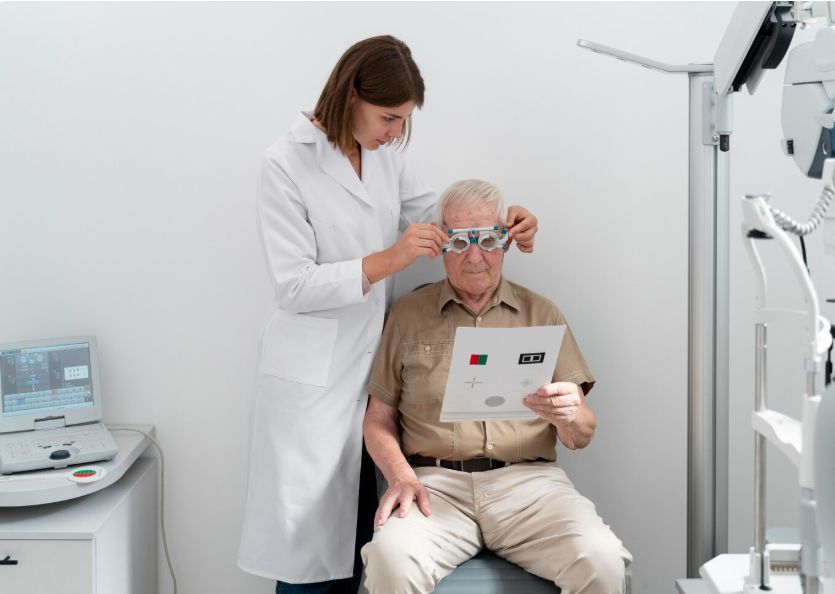
Diabetes can affect many parts of the body, including the eyes. One of its most serious complications is diabetic retinopathy, a condition that damages the small blood vessels in the retina. The retina is the light-sensitive layer at the back of the eye that helps the brain interpret what we see. When these blood vessels become damaged, they may leak fluid, bleed, or develop abnormal new vessels that threaten vision.
A diabetic retinopathy specialist is an eye doctor with the training and experience to diagnose, monitor, and treat diabetes-related damage to the retina. This specialist plays an important role when routine diabetic eye screening identifies changes that may affect sight or when a person develops symptoms such as blurred vision, floaters, or sudden visual loss.
Finding diabetic retinopathy early can make a significant difference. Some people have retinal damage without noticing any symptoms, while others may develop vision problems as the condition progresses. Regular eye examinations and timely treatment can reduce the risk of severe vision loss.
This guide explains what a diabetic retinopathy specialist does, when to make an appointment, which tests may be performed, available treatments, and how to prepare for a consultation.
What Is a Diabetic Retinopathy Specialist?
A diabetic retinopathy specialist is generally an ophthalmologist who has additional experience or fellowship training in retinal diseases. This doctor examines the retina and manages complications caused by diabetes, including diabetic retinopathy and diabetic macular edema.
You may also hear the terms retina specialist, retinal specialist, or vitreoretinal surgeon. These professionals focus on conditions affecting the retina, macula, and vitreous, which is the clear gel inside the eye.
What Does a Retina Specialist Treat?
A retina specialist may diagnose and manage several diabetes-related eye problems, including:
- Nonproliferative diabetic retinopathy (NPDR): An earlier form of the disease in which retinal blood vessels become damaged, leak, or develop small areas of swelling.
- Proliferative diabetic retinopathy (PDR): An advanced stage in which abnormal new blood vessels grow on the retina or nearby structures.
- Diabetic macular edema (DME): Swelling in the macula, the central part of the retina responsible for detailed vision.
- Vitreous hemorrhage: Bleeding into the gel-like substance inside the eye.
- Tractional retinal detachment: A serious complication in which scar tissue pulls the retina away from its normal position.
The specialist determines whether the condition requires observation, medication injections, laser treatment, or surgery.
Retina Specialist vs. General Ophthalmologist
A general ophthalmologist is a medical doctor trained to diagnose and treat a wide range of eye conditions. This includes cataracts, glaucoma, eye infections, and many other problems.
A retina specialist has additional expertise in retinal diseases and procedures.
| Eye care professional | Main role |
|---|---|
| Optometrist | Performs vision examinations and may identify signs of retinal disease |
| General ophthalmologist | Diagnoses and treats a broad range of eye conditions |
| Retina specialist | Focuses on retinal diseases and advanced retinal treatments |
| Vitreoretinal surgeon | Performs specialised procedures involving the retina and vitreous |
An optometrist or general ophthalmologist may identify diabetic retinopathy during an examination and refer the patient to a retina specialist when necessary.
When Should You See a Diabetic Retinopathy Specialist?
Not everyone with diabetes needs immediate treatment from a retina specialist. However, people with diabetes should have regular diabetic eye examinations, even if their eyesight seems normal.
A specialist consultation may be recommended when screening or examination reveals retinal changes that require closer monitoring or treatment.
1. You Have Been Diagnosed With Diabetic Retinopathy
If an eye examination shows signs of diabetic retinopathy, ask the eye doctor what stage has been identified and whether a retinal consultation is needed.
Mild changes may only require regular monitoring. More advanced disease may need specialist assessment and treatment.
The American Diabetes Association’s 2026 Standards of Care recommend prompt referral to an ophthalmologist experienced in diabetic retinopathy for people with diabetic macular edema, moderate or worse nonproliferative diabetic retinopathy, or proliferative diabetic retinopathy.
2. Your Vision Becomes Blurry
Blurred vision can develop when diabetes affects the blood vessels in the retina or causes swelling in the macula.
It may also occur because blood glucose levels are changing, or because of other eye conditions. A proper examination is needed to identify the cause.
Do not assume that blurred vision is simply a need for new glasses, especially if you have diabetes.
3. You Notice Floaters or Dark Spots
Floaters may appear as small dots, threads, or dark shapes moving across your field of vision.
In people with diabetic retinopathy, new floaters can sometimes indicate bleeding inside the eye. A sudden increase in floaters, particularly with flashes of light or a shadow in your vision, requires urgent assessment.
4. You Experience Distorted or Reduced Central Vision
The macula helps you read, recognise faces, and see fine details. When it becomes swollen, straight lines may look distorted and central vision may become blurry.
You may notice difficulty reading small print, using a mobile phone, or recognising familiar faces.
A retina specialist can use specialised imaging to determine whether diabetic macular edema is present.
5. Your Screening Report Shows Advanced Retinal Changes
A diabetic eye screening report may mention moderate or severe NPDR, proliferative diabetic retinopathy, or diabetic macular edema.
These findings should be discussed promptly with an ophthalmologist experienced in managing diabetic retinal disease. Do not wait for noticeable vision loss before arranging the recommended consultation.
Emergency Warning Signs
Seek immediate eye care if you experience:
- Sudden loss or major worsening of vision
- A sudden shower of new floaters
- Flashes of light with a dark curtain or shadow across your vision
- Sudden severe blurring or distortion
- Rapid changes in vision in one or both eyes
These symptoms can indicate serious retinal problems or other eye emergencies. Do not wait for a routine appointment.
Understanding the Stages of Diabetic Retinopathy
A diabetic retinopathy specialist first determines how much damage has occurred. The condition is commonly divided into nonproliferative and proliferative stages.
Mild Nonproliferative Diabetic Retinopathy
Mild NPDR is generally the earliest stage. Small areas of swelling in retinal blood vessels, known as microaneurysms, may appear.
Most people do not notice any change in their eyesight at this stage. Treatment may not be necessary immediately, but regular monitoring is important.
Moderate Nonproliferative Diabetic Retinopathy
As the disease progresses, more retinal blood vessels become damaged. Small areas of bleeding and other abnormalities may develop.
Vision can remain normal, even though the retinal changes are becoming more significant. An eye specialist will determine how frequently the patient needs examinations.
Severe Nonproliferative Diabetic Retinopathy
At this stage, a larger number of retinal blood vessels are affected. Some areas of the retina may not receive enough blood supply.
The condition has a greater risk of progressing to proliferative diabetic retinopathy. Prompt specialist assessment is important.
Proliferative Diabetic Retinopathy
PDR is an advanced stage of diabetic retinopathy. The retina responds to poor blood supply by developing abnormal new blood vessels.
These vessels are fragile and can bleed into the vitreous. Scar tissue may also develop and pull on the retina, potentially causing retinal detachment.
Treatment is often needed to reduce the risk of serious vision loss.
Diabetic Macular Edema
Diabetic macular edema can occur at different stages of diabetic retinopathy. Damaged blood vessels leak fluid into the macula, causing swelling.
Symptoms may include:
- Blurred central vision
- Difficulty reading
- Distorted straight lines
- Reduced colour clarity
- Trouble recognising faces
A retina specialist may recommend optical coherence tomography (OCT) to examine the macula and determine whether treatment is needed.
Tests a Diabetic Retinopathy Specialist May Perform
A specialist uses a combination of eye examinations and imaging tests to understand the condition. The exact tests depend on the symptoms, screening results, and stage of disease.
Dilated Retinal Examination
Eye drops are used to widen the pupils so the doctor can examine the retina more clearly.
The specialist checks for:
- Small retinal blood vessel changes
- Bleeding
- Swelling
- Abnormal new blood vessels
- Scar tissue
- Signs of retinal detachment
The drops may temporarily cause blurry near vision and sensitivity to light.
Optical Coherence Tomography (OCT)
OCT is a non-invasive imaging test that creates detailed cross-sectional pictures of the retina.
It helps the doctor identify swelling, fluid accumulation, and changes in the macula. OCT is particularly useful for evaluating diabetic macular edema and monitoring how the eye responds to treatment.
Fundus Photography
Fundus photography captures images of the back of the eye. These photographs help document retinal changes and compare findings during future visits.
They may also be used in diabetic eye screening programmes to identify people who need further examination.
Fluorescein Angiography
This test involves injecting a special dye into a vein, usually in the arm. A camera then captures images as the dye travels through the retinal blood vessels.
Fluorescein angiography can help identify leaking vessels, blocked areas, and abnormal blood vessel growth.
It is not required for every patient. The specialist decides whether it will provide useful information.
Ultrasound Examination
An eye ultrasound may be recommended when bleeding or other problems prevent the doctor from seeing the retina clearly.
It can help identify certain retinal abnormalities, including retinal detachment.
Treatment Options Offered by a Diabetic Retinopathy Specialist
Treatment depends on the stage of diabetic retinopathy, whether the macula is affected, and how much vision is at risk.
Some patients only need regular monitoring, while others require injections, laser treatment, or surgery.
1. Anti-VEGF Eye Injections
Anti-VEGF medicines help reduce the activity of vascular endothelial growth factor, a substance involved in abnormal blood vessel growth and leakage.
The medicine is injected into the eye by an ophthalmologist under sterile conditions.
Anti-VEGF injections may be used for:
- Diabetic macular edema affecting central vision
- Certain cases of proliferative diabetic retinopathy
- Other retinal conditions involving abnormal blood vessel activity
Several injections may be required over time. The number and frequency depend on the medicine, the patient’s response, and the condition being treated.
Follow-up appointments are essential because the specialist needs to check whether the swelling or abnormal blood vessel activity has improved.
2. Laser Photocoagulation
Laser treatment uses focused light to treat selected areas of the retina.
For proliferative diabetic retinopathy, panretinal photocoagulation (PRP) treats areas of the peripheral retina to reduce the signals that encourage abnormal blood vessel growth.
Laser treatment may also be used in selected cases of diabetic macular edema.
The procedure is usually performed in an eye clinic. The specialist explains the expected benefits and possible side effects, which may include changes in peripheral or night vision.
3. Vitrectomy Surgery
Vitrectomy is a surgical procedure used for certain advanced complications of diabetic retinopathy.
During the operation, the surgeon removes some or all of the vitreous gel from inside the eye. This can help clear blood from the vitreous and allow the surgeon to treat retinal problems.
A vitrectomy may be recommended when a patient has:
- Significant vitreous hemorrhage
- Tractional retinal detachment
- Certain forms of retinal scarring
- Complications that have not responded adequately to other treatments
Recovery and visual improvement depend on the severity of the retinal damage and the reason for surgery.
4. Steroid Treatment
Some patients with diabetic macular edema may benefit from corticosteroid treatment.
Steroids can reduce inflammation and retinal swelling. Depending on the medicine and the clinical situation, treatment may involve an injection or a sustained-release implant.
Possible risks include increased eye pressure and cataract development. The specialist monitors these complications during follow-up.
5. Regular Monitoring
Not every patient needs immediate treatment.
People with mild or some moderate forms of diabetic retinopathy may be advised to attend regular examinations so the doctor can detect progression early.
The follow-up schedule depends on the stage of disease, other health conditions, and previous examination results.
How to Find the Right Diabetic Retinopathy Specialist
Choosing an experienced specialist is an important step in protecting your vision. The doctor should be able to explain the diagnosis, discuss available treatments, and provide a clear follow-up plan.
Check the Doctor’s Qualifications
Look for an ophthalmologist with specific training or experience in retinal diseases.
In India, patients can check the doctor’s medical registration and ask about ophthalmology qualifications and additional vitreoretinal fellowship training.
A doctor who regularly manages diabetic retinopathy, macular edema, and retinal complications may be better suited to a complex case than a general eye-care provider.
Look for Appropriate Diagnostic Facilities
A clinic or hospital that manages diabetic retinal disease should have access to suitable diagnostic equipment.
Depending on the patient’s needs, useful facilities may include:
- Dilated retinal examination
- OCT imaging
- Fundus photography
- Fluorescein angiography
- Retinal laser treatment
- Intravitreal injection services
- Vitreoretinal surgery facilities or referral arrangements
Not every patient needs every test. The important point is that the specialist can arrange the appropriate examination and treatment.
Consider Experience With Your Specific Condition
Diabetic macular edema, proliferative diabetic retinopathy, and retinal detachment are different problems.
When booking an appointment, explain what your screening report says. Ask whether the doctor routinely manages that particular condition.
Understand the Treatment and Follow-Up Plan
Retinal treatment often requires more than one appointment. Before starting treatment, make sure you understand:
- What condition has been diagnosed
- Whether treatment is needed now
- Which treatment is recommended and why
- How many visits may be required
- What symptoms need urgent attention
- How progress will be monitored
A good specialist should explain the options in language you can understand and give you an opportunity to ask questions.
What to Expect During Your First Appointment
A first visit to a diabetic retinopathy specialist may take longer than a routine eye check because the doctor needs to review your medical history and examine the retina.
Before the Appointment
Bring any previous eye reports, retinal photographs, OCT scans, and relevant medical records.
It may also help to bring:
- Your diabetes medication list
- Recent blood glucose or HbA1c results
- Blood pressure readings, if available
- Details of previous eye injections or laser treatment
- Information about recent changes in eyesight
Tell the doctor if you have kidney disease, high blood pressure, high cholesterol, or any other significant medical condition.
During the Examination
The specialist may ask when you were diagnosed with diabetes, how well your blood glucose is controlled, and whether you have noticed any visual changes.
Your vision may be checked before the pupils are dilated. The doctor may then examine the retina and recommend imaging tests.
If your pupils are dilated, your near vision may remain blurry for several hours. Consider arranging transport if you are uncomfortable driving after the appointment.
After the Examination
The specialist should explain the findings and whether your condition needs monitoring or treatment.
If an injection, laser procedure, or surgery is recommended, ask about preparation, possible risks, recovery, and follow-up appointments.
Do not delay recommended treatment simply because your eyesight still seems normal. Some forms of diabetic retinopathy can threaten vision before obvious symptoms appear.
How to Reduce the Risk of Diabetic Retinopathy Progression
Treatment by a retina specialist is important, but managing diabetes and other health factors also plays a major role.
Keep Blood Glucose Under Control
Long-term high blood glucose can damage the small blood vessels in the retina.
Follow your diabetes treatment plan and attend regular appointments with your diabetes care team. Work with your doctor to establish appropriate glucose and HbA1c targets.
Avoid making major changes to diabetes medication without medical advice.
Manage Blood Pressure
High blood pressure can increase the risk of retinal blood vessel damage.
Monitor your blood pressure and follow your doctor’s recommendations for medication, diet, exercise, and other lifestyle changes.
Monitor Cholesterol Levels
High cholesterol and abnormal blood lipid levels are associated with a greater risk of diabetic complications.
Ask your healthcare provider whether you need cholesterol testing or treatment.
Attend Regular Diabetic Eye Examinations
Do not wait for blurred vision or other symptoms before arranging an eye examination.
The recommended screening interval depends on the type of diabetes, previous retinal findings, pregnancy status, and individual risk factors. Your ophthalmologist will advise how frequently you need follow-up.
Avoid Smoking
Smoking can harm blood vessels and increase the risk of several diabetes-related complications. If you smoke, ask your healthcare team about practical ways to quit.
Follow Your Treatment Plan
If you receive retinal injections or laser treatment, attend the recommended follow-up appointments. Missing visits can allow the condition to worsen without being detected.
Continue managing diabetes with your medical team even when retinal treatment appears successful.
Frequently Asked Questions About Diabetic Retinopathy Specialists
1. What type of doctor treats diabetic retinopathy?
Diabetic retinopathy is treated by an ophthalmologist experienced in retinal disease. A retina specialist or vitreoretinal surgeon has additional expertise in diagnosing and treating advanced retinal conditions, including diabetic macular edema and proliferative diabetic retinopathy.
2. When should a person with diabetes see a retina specialist?
A person should see a retina specialist when an eye examination identifies moderate or severe diabetic retinopathy, proliferative diabetic retinopathy, or diabetic macular edema. New floaters, blurred vision, or other visual changes also require prompt assessment. Sudden vision loss is an emergency.
3. Can diabetic retinopathy be cured?
There is no single treatment that completely reverses all retinal damage caused by diabetes. However, timely treatment can slow or stop progression and help preserve vision. Some patients experience improvement in vision, depending on the type and severity of the damage.
4. Are eye injections painful?
Anti-VEGF injections are usually performed after the eye is numbed with anaesthetic drops or another local anaesthetic method. Patients may feel pressure or mild discomfort, but severe pain is not expected. Your doctor will explain what to expect and which symptoms after the procedure require attention.
5. How often should I visit a diabetic retinopathy specialist?
The frequency depends on the severity of the condition and the treatment being used. Some people need examinations every few months, while others require more frequent visits during active treatment. Follow the schedule recommended by your ophthalmologist.
6. Can diabetic retinopathy cause blindness?
Yes. Advanced diabetic retinopathy can lead to severe and sometimes permanent vision loss if it is not identified and treated appropriately. Regular screening and timely specialist care can substantially reduce this risk.
7. Can I have diabetic retinopathy without blurred vision?
Yes. Early diabetic retinopathy often causes no noticeable symptoms. Even some people with more advanced retinal changes may have relatively normal vision. This is why routine diabetic eye examinations are important.
8. Is a retina specialist different from an ophthalmologist?
A retina specialist is an ophthalmologist who has additional training or specialised experience in retinal and vitreous diseases. All retina specialists are ophthalmologists, but not every ophthalmologist specialises in retinal treatment.
9. Can diabetic retinopathy improve with better blood sugar control?
Good blood glucose management can reduce the risk of developing diabetic retinopathy and may slow its progression. However, improved glucose control does not replace necessary retinal treatment. Work with both your diabetes doctor and eye specialist to manage the condition safely.
10. Should I see a specialist if my diabetic eye screening is normal?
Yes, you should continue eye examinations at the interval recommended by your healthcare provider. A normal screening result does not mean you will never develop diabetic retinopathy. Regular screening helps identify changes before they affect your eyesight.
Final Thoughts
A diabetic retinopathy specialist plays an important role in protecting the vision of people living with diabetes. These doctors identify retinal damage, assess the risk of progression, and recommend treatments such as anti-VEGF injections, laser photocoagulation, steroid therapy, or vitrectomy when appropriate.
The most important step is not to wait until vision becomes noticeably worse. Diabetic retinopathy can develop without early warning signs, which makes regular eye examinations essential.
If you have diabetes, follow your recommended screening schedule, manage your blood glucose and blood pressure, and seek prompt medical attention when your vision changes. Working closely with an experienced retina specialist and your diabetes care team can help protect your eyesight over the long term.