

Fitness 19 newbury park represents a local fitness search focused on finding convenient ways to exercise, improve physical conditioning, and maintain a consistent workout routine in the Newbury Park area. For people who want to become more active, choosing a gym that fits their schedule, exercise preferences, and personal goals can make it easier to build sustainable habits.
Fitness is not simply about appearance. Regular physical activity can support strength, cardiovascular endurance, flexibility, mobility, and overall well-being. A structured exercise routine can also provide a practical way to create consistency in everyday life. Whether someone is beginning their fitness journey, returning to exercise, or looking for a new training environment, understanding what to look for in a gym can make the decision easier.
Why Choosing the Right Gym Matters
A gym should provide an environment where members feel comfortable exercising regularly. Location is often one of the first considerations because a convenient facility can make it easier to maintain a consistent schedule.
If a gym is close to home, work, or another frequently visited location, members may be less likely to skip workouts because of long travel times. Convenient operating hours can also help people fit exercise around work, school, family responsibilities, and other commitments.
Equipment selection is another important consideration. Different people have different goals, so a useful fitness environment should ideally provide options for cardiovascular training, resistance exercises, functional movement, and general conditioning.
Important Factors When Choosing a Gym
- Convenient location
- Suitable operating hours
- Variety of exercise equipment
- Clean and organized workout areas
- Strength-training options
- Cardiovascular equipment
- Functional training areas
- Availability of fitness professionals
- Membership options
- Comfortable workout environment
- Locker and changing facilities
- Parking and transportation access
Understanding Different Fitness Goals
Every person approaches exercise differently. Some people want to improve cardiovascular fitness, while others focus on strength, muscle development, weight management, flexibility, or general health.
A beginner may prioritize learning basic movement patterns and developing consistency. Someone with more training experience may want specialized equipment or a more challenging workout environment.
Defining a goal before creating a workout plan can help determine which equipment and services are most useful.
Common Fitness Goals
| Fitness Goal | Common Training Approach |
|---|---|
| General fitness | Combination of cardio and strength exercises |
| Strength | Resistance training and progressive overload |
| Cardiovascular endurance | Walking, running, cycling, or other cardio |
| Muscle development | Structured resistance training |
| Mobility | Stretching and mobility exercises |
| Weight management | Regular activity combined with appropriate nutrition |
| Functional fitness | Movement-based strength and conditioning |
Building a Consistent Workout Routine
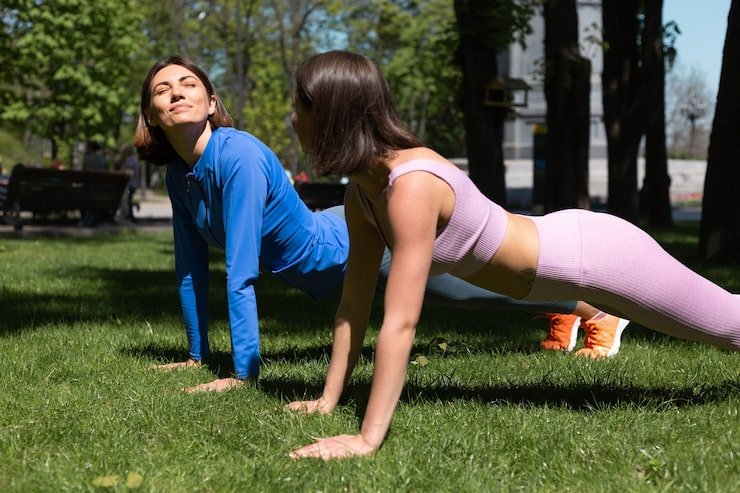
Consistency is one of the most important parts of fitness. A complicated exercise program is not necessarily better if it is difficult to maintain.
A practical routine should match a person’s schedule and current fitness level. Beginners may start with shorter sessions and gradually increase exercise volume as their body adapts.
Setting specific workout days can make exercise part of a regular routine. For example, someone might schedule strength workouts on certain days and cardiovascular activities on others.
The key is to create a routine that can realistically continue over time.
Strength Training for Everyday Fitness
Strength training can benefit people with different fitness backgrounds. Resistance exercises can help develop muscular strength and support everyday movements.
Common strength exercises include squats, lunges, presses, rows, and other movements using machines, free weights, resistance bands, or body weight.
Beginners should prioritize proper technique rather than immediately trying to lift heavy weights. Learning controlled movement can help create a strong foundation for future training.
Basic Strength Training Categories
- Lower-body exercises
- Upper-body pushing movements
- Upper-body pulling movements
- Core exercises
- Full-body movements
- Functional exercises
- Bodyweight exercises
A balanced program can include exercises that target major muscle groups rather than focusing exclusively on one area.
Cardiovascular Exercise
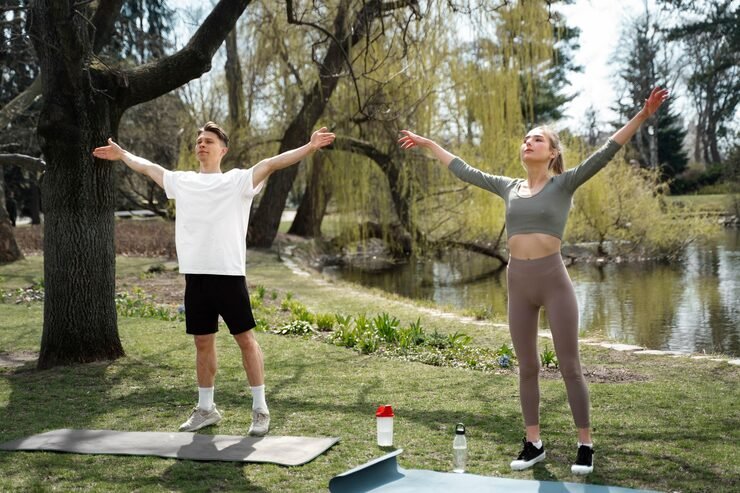
Cardiovascular exercise is another important part of a balanced fitness routine. Activities such as walking, jogging, cycling, swimming, and other aerobic exercises can help improve endurance.
Gym-based cardio equipment may include treadmills, stationary bikes, elliptical machines, and other training options. The appropriate choice depends on fitness level, personal preference, and individual circumstances.
People who are new to cardio can begin with moderate sessions and gradually increase duration or intensity.
Functional Fitness and Mobility Fitness 19 Newbury Park
Functional training focuses on movements that can support everyday activities. Exercises involving balance, coordination, stability, and controlled movement can complement traditional strength training.
Mobility is also important because good movement quality can make exercise more comfortable. Gentle mobility exercises and stretching can be incorporated before or after workouts depending on the activity.
A balanced approach can include strength, cardiovascular conditioning, mobility, and recovery rather than focusing on only one category.
Creating a Beginner-Friendly Workout Plan
Beginners often benefit from simplicity. A basic weekly routine can combine full-body strength training with moderate cardiovascular activity.
For example, a beginner could perform strength exercises on several nonconsecutive days and include walking or other moderate activity on additional days.
The exact routine should depend on the person’s current fitness level, available time, preferences, and any relevant professional guidance.
Example Weekly Structure
| Day | Possible Activity |
|---|---|
| Monday | Full-body strength workout |
| Tuesday | Moderate cardiovascular activity |
| Wednesday | Rest or light mobility |
| Thursday | Full-body strength workout |
| Friday | Cardio or functional training |
| Saturday | Light recreational activity |
| Sunday | Rest and recovery |
This is a general example rather than a personalized training prescription.
The Importance of Recovery
Exercise creates physical demands on the body, making recovery an important part of fitness. Rest days can allow the body to recover between challenging sessions.
Sleep, hydration, nutrition, and appropriate workout intensity all contribute to recovery. People who consistently train without adequate rest may find it difficult to maintain performance and motivation.
Recovery does not always mean complete inactivity. Light walking, gentle mobility work, and other low-intensity activities can be useful between harder sessions.
Staying Motivated to Exercise
Motivation can change from day to day, so relying entirely on motivation may make consistency difficult. Creating routines and realistic goals can help make exercise a regular habit.
Tracking workouts can provide a simple way to observe progress. People can record exercises, repetitions, duration, or other appropriate measurements.
It can also help to vary workouts occasionally. Trying different exercises can prevent routines from becoming repetitive while exposing the body to different movement patterns.
Simple Ways to Stay Consistent
- Schedule workouts in advance
- Set realistic goals
- Track progress
- Choose enjoyable activities
- Start with manageable sessions
- Avoid comparing progress with others
- Allow adequate recovery
- Create a regular workout time
- Celebrate gradual improvements
- Adjust the routine when necessary
Nutrition and Fitness
Exercise and nutrition are closely connected. Food provides energy for physical activity and nutrients needed for normal body functions.
A balanced eating pattern can include a variety of vegetables, fruits, whole grains, protein sources, healthy fats, and adequate fluids. Individual nutritional needs can vary considerably depending on activity levels, goals, age, and other factors.
People with specific dietary or health concerns should consider guidance from an appropriately qualified professional rather than following generic recommendations.
Making Gym Workouts More Effective
A successful workout does not necessarily need to be extremely long. Quality, consistency, and appropriate progression are generally more useful than simply spending as much time as possible in the gym.
Before exercising, individuals can organize their workout so they know which movements they plan to perform. This can reduce unnecessary waiting and make sessions easier to follow.
Gradual progression can also help. As exercises become easier, people can adjust repetitions, resistance, duration, or movement difficulty when appropriate.
Fitness for Different Age Groups
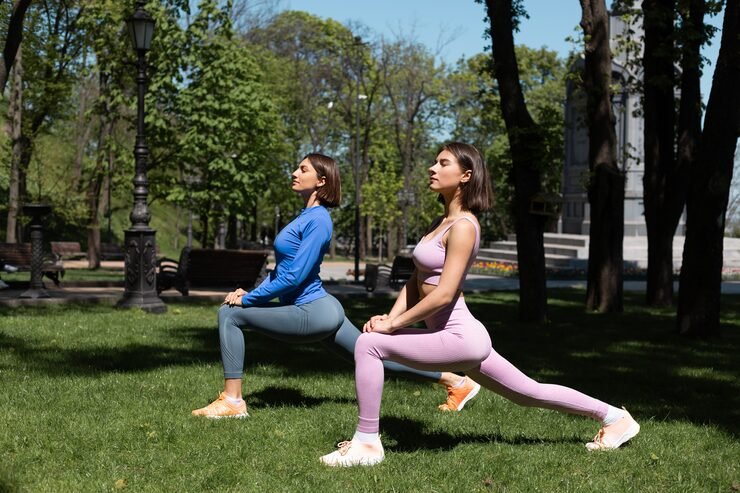
Fitness needs can change throughout life. Younger adults may focus on strength, endurance, sports performance, or general conditioning, while older adults may place additional emphasis on mobility, balance, strength, and maintaining independence.
The appropriate exercise routine should reflect an individual’s abilities and experience. People returning to exercise after a long break may benefit from gradually rebuilding fitness rather than immediately following an advanced program.
Safety During Exercise
Exercise should be performed with appropriate technique and sensible progression. Beginners should learn how to use unfamiliar equipment before increasing resistance or intensity.
A proper warm-up can prepare the body for activity, while recovery periods can help manage fatigue. Staying hydrated is also important, especially during longer or more demanding workouts.
Anyone experiencing unusual pain, dizziness, chest discomfort, or other concerning symptoms should stop exercising and seek appropriate medical advice.
Building a Long-Term Fitness Lifestyle
Fitness is most useful when it becomes part of everyday life rather than a short-term project. Sustainable habits can include regular exercise, balanced nutrition, adequate sleep, active daily routines, and sufficient recovery.
A local gym can serve as one component of that lifestyle. Walking outdoors, recreational sports, cycling, stretching, and other activities can complement gym-based workouts.
The best routine is generally one that can be maintained consistently while fitting naturally into a person’s lifestyle.
Conclusion
Fitness is a long-term process that can include strength training, cardiovascular exercise, mobility, recovery, and healthy daily habits. For people searching for a convenient gym environment in Newbury Park, evaluating location, equipment, services, operating hours, and overall atmosphere can help them choose an option that fits their needs.
Creating realistic goals and maintaining a consistent schedule are often more valuable than attempting an overly complicated routine. Beginners can start gradually, while experienced exercisers can adjust their programs as their goals change.
With thoughtful planning and a sustainable approach, regular exercise can become a practical part of everyday life. The right fitness environment can provide useful resources and motivation while helping individuals work toward their personal activity goals.
Frequently Asked Questions
1. What should I look for in a fitness facility?
Consider its location, operating hours, equipment, cleanliness, workout environment, available services, membership options, and whether the facility supports your specific fitness goals.
2. Is strength training suitable for beginners?
Strength training can be appropriate for beginners when exercises are performed with proper technique and suitable resistance. Starting gradually can help individuals learn movement patterns before increasing difficulty.
3. How often should someone exercise?
Exercise frequency depends on fitness level, goals, schedule, and individual circumstances. A consistent routine that combines different types of physical activity can be more sustainable than an overly demanding schedule.
4. Should cardio and strength training be combined?
Many fitness programs include both cardiovascular and resistance exercises because they address different aspects of physical fitness. The balance can be adjusted according to individual goals.
5. How can I stay consistent with my workouts?
Scheduling workouts, setting realistic goals, tracking progress, choosing enjoyable activities, and allowing adequate recovery can make it easier to maintain a long-term exercise routine.

1 Comment
[…] Read more: Fitness 19 Newbury Park: A Guide to Fitness, Workouts, and a Healthier Lifestyle […]