
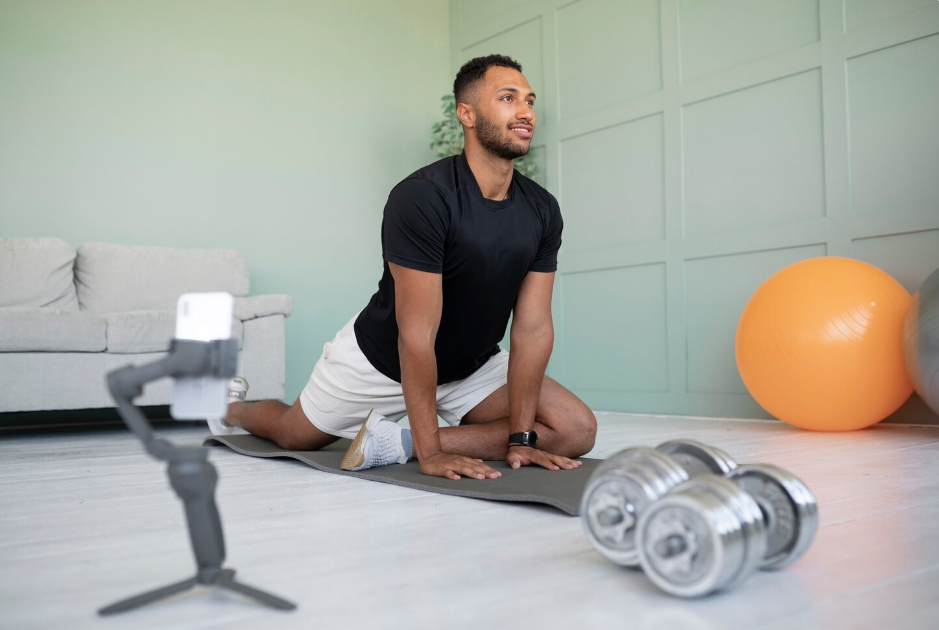
Staying physically active does not have to require an expensive gym membership, premium equipment, or costly personal training sessions. For many people, the biggest challenge is finding a fitness routine that fits comfortably into their lifestyle and budget. Affordable fitness focuses on making regular physical activity accessible by using simple workouts, practical equipment, community resources, and everyday opportunities to move more.
A successful fitness routine is not necessarily the one that costs the most. Consistency, realistic goals, enjoyable activities, and gradual progress are often more important than having access to expensive facilities. Whether someone prefers exercising at home, outdoors, at a community center, or in a budget-friendly gym, there are many ways to create an effective routine without overspending.
Understanding Affordable Fitness
Affordable fitness means finding practical ways to exercise while keeping costs under control. It can include walking, running, cycling, bodyweight exercises, home workouts, recreational sports, community programs, and reasonably priced gym memberships.
The concept is flexible because everyone’s circumstances are different. Someone may have access to a nearby park but no home workout equipment, while another person may have limited outdoor space but access to inexpensive fitness classes.
The goal is not to eliminate all spending. Instead, it is to prioritize expenses that genuinely contribute to a person’s fitness goals.
Why Fitness Does Not Need to Be Expensive
Many basic exercises require little or no equipment. Walking, jogging, squats, lunges, push-ups, step-ups, planks, and mobility exercises can all be incorporated into a routine without purchasing specialized machines.
Even resistance training can be approached economically. Resistance bands, adjustable dumbbells, or a simple exercise mat may provide enough equipment for many home workouts.
Expensive equipment can be useful for certain training goals, but it is not automatically necessary for becoming more active or improving general fitness.
Walking as a Simple Fitness Option
Walking is one of the easiest activities to include in a daily routine. It can be performed outdoors, indoors, at a park, or in other suitable environments.
People can gradually increase walking duration, distance, or pace as their fitness improves. Short walks throughout the day can also contribute to overall physical activity.
Walking can become more enjoyable when combined with music, podcasts, audiobooks, or walking with friends. However, people should remain aware of their surroundings when using headphones outdoors.
Home Workouts on a Budget
Home workouts can eliminate gym membership costs and reduce travel time. A small space may be enough for many exercises.
A beginner routine might include bodyweight squats, wall push-ups, glute bridges, lunges, planks, and controlled mobility movements. As strength and confidence improve, exercises can be modified to increase difficulty.
Free online workout resources can also provide ideas, although people should choose instruction from credible sources and avoid attempting advanced exercises without understanding proper technique.
Using Minimal Equipment
Fitness equipment does not need to fill an entire room. A few versatile items can support a wide range of exercises.
Resistance bands are lightweight and often useful for strength and mobility exercises. A basic exercise mat can make floor movements more comfortable. Adjustable weights can provide flexibility for people interested in progressive resistance training.
Before purchasing equipment, consider whether it will actually be used regularly. An inexpensive item that sits unused is still wasted money.
Outdoor Fitness Opportunities
Outdoor spaces can provide excellent opportunities for exercise without requiring a gym membership. Parks, walking paths, public recreation areas, and suitable trails can support activities such as walking, jogging, cycling, and bodyweight exercises.
Outdoor workouts can also add variety to a routine. A person might walk one day, cycle another day, and perform a bodyweight workout in a park later in the week.
Weather should always be considered. During very hot or cold conditions, exercise timing and hydration may need additional attention.
Finding Budget-Friendly Gyms
For people who prefer gym equipment, budget-friendly gyms may offer a practical middle ground.
When comparing memberships, look beyond the advertised monthly price. Consider enrollment fees, annual charges, cancellation conditions, facility access, class fees, and other potential costs.
Some people pay for memberships they rarely use. Before joining, consider whether the location, hours, equipment, and environment make regular attendance realistic.
A convenient gym that someone actually visits can be more useful than a cheaper facility that is difficult to reach.
Community Fitness Resources
Community centers, recreation departments, schools, parks, and local organizations may offer affordable activities.
Depending on the area, people may find low-cost sports programs, walking groups, fitness classes, swimming facilities, or recreational leagues.
Community programs can also provide a social element that helps people remain motivated. Exercising with others may make regular activity more enjoyable.
Creating a Low-Cost Weekly Routine
A simple weekly schedule can make fitness easier to maintain. The routine should reflect current fitness levels, available time, and personal interests.
For example, someone might combine walking, strength exercises, mobility work, and recreational activity throughout the week. Rest or lighter activity can be included as needed.
The exact schedule matters less than developing a sustainable pattern. Starting with manageable sessions can be more effective than creating an ambitious plan that becomes difficult to maintain.
Saving Money on Fitness Clothing
Fitness clothing can become another unnecessary expense. People generally do not need a completely new wardrobe to begin exercising.
Comfortable clothing that allows movement may be sufficient for many activities. Footwear becomes more important for activities such as running, hiking, or sports because appropriate shoes can improve comfort and support.
Instead of buying multiple outfits, focus on a few practical items that can be used regularly.
Affordable Nutrition for Active Lifestyles
Exercise is only one part of a healthy lifestyle. Food choices also influence energy, recovery, and overall well-being.
Eating well does not require expensive specialty foods. Affordable staples such as oats, rice, beans, lentils, eggs, vegetables, fruits, potatoes, whole grains, and other accessible foods can form part of balanced meals.
Meal planning can reduce food waste and help control spending. Preparing meals at home can also make it easier to understand what ingredients are being consumed.
Fitness Apps and Digital Resources
Technology can provide inexpensive tools for staying organized. Smartphone apps can help users track walking, workouts, habits, or progress.
However, people do not need numerous subscriptions to maintain an effective routine. Many basic tracking features are available without paying for premium services.
Digital resources should support consistency rather than become another source of distraction. A simple written workout plan can sometimes be just as useful as an advanced app.
Staying Motivated Without Spending More
Motivation can be difficult when workouts become repetitive. Fortunately, increasing motivation does not require purchasing new equipment or memberships.
Changing walking routes, trying a different bodyweight routine, exercising with a friend, listening to music, or setting small goals can provide variety.
Tracking progress can also help. Progress might involve completing more repetitions, walking farther, exercising more consistently, or simply feeling more comfortable with regular movement.
Avoiding Unnecessary Fitness Expenses
Fitness marketing often promotes specialized products that promise faster results. Before purchasing anything, consider whether it solves a genuine problem.
Ask whether the product supports a specific goal and whether a simpler alternative would work. This approach can prevent spending money on equipment, supplements, programs, or accessories that provide little practical benefit.
A budget-conscious fitness plan should focus on fundamentals: regular activity, appropriate progression, recovery, and sustainable habits.
Making Fitness Sustainable
The most valuable fitness routine is one that can be maintained over time. If an activity is too expensive, inconvenient, uncomfortable, or complicated, it may be difficult to continue.
Choose activities that fit naturally into everyday life. Someone who enjoys walking may benefit more from a consistent walking routine than from purchasing an expensive piece of equipment they dislike using.
Sustainability also means allowing flexibility. Busy periods, travel, illness, weather, and other circumstances may temporarily change a routine. Returning to activity afterward is more important than trying to maintain perfection.
Fitness for Different Goals
Affordable fitness can support many different goals. Someone seeking general activity may focus on walking and mobility, while another person may prioritize strength training or endurance.
People interested in improving strength can use progressive bodyweight exercises or inexpensive resistance equipment. Those interested in cardiovascular fitness can walk, jog, cycle, dance, or participate in recreational sports.
The best approach depends on individual goals, current ability, available time, and personal preferences.
Safety and Gradual Progress
Budget-friendly exercise should still be approached responsibly. Beginners should avoid increasing exercise volume too quickly, particularly when starting after a long period of inactivity.
Learning basic exercise technique is important, especially for resistance training. People with specific health concerns or injuries should seek appropriate professional guidance before beginning or changing an exercise program.
Warm-ups, recovery, hydration, suitable footwear, and attention to discomfort can all contribute to a safer experience.
Final Thoughts
Affordable fitness shows that staying active does not have to involve expensive memberships, equipment, clothing, or programs. Walking, bodyweight exercises, outdoor activities, community resources, simple home workouts, and carefully chosen equipment can provide practical ways to build regular physical activity into everyday life. The key is to create a routine that fits both your budget and your lifestyle. By focusing on consistency, gradual progress, enjoyable activities, and sensible spending, people can pursue meaningful fitness goals without turning exercise into an expensive commitment.
FAQs
1. What is the cheapest way to stay fit?
Walking and bodyweight exercises are among the most accessible low-cost options. They require little or no specialized equipment and can be adapted to different fitness levels.
2. Can I get fit without joining a gym?
Yes. Home workouts, walking, running, cycling, outdoor exercise, recreational sports, and resistance-band training can all be part of a fitness routine without a traditional gym membership.
3. What inexpensive fitness equipment is useful?
An exercise mat, resistance bands, and adjustable weights can be useful additions. The best equipment depends on your goals and the exercises you intend to perform.
4. How can I save money on fitness?
Use free outdoor spaces, choose affordable or community-based programs, avoid unnecessary equipment purchases, prepare meals at home, and select activities that do not require recurring fees.
5. Is affordable fitness suitable for beginners?
Yes. Beginners can start with simple activities such as walking and basic bodyweight movements, then gradually increase duration or intensity as their fitness and confidence improve.


1 Comment
[…] Read more: Affordable Fitness: Practical Ways to Stay Active on a Budget […]