

Taking care of your health does not always require complicated diets, expensive supplements, or hours at the gym. In many cases, small and consistent lifestyle changes can make a meaningful difference to your everyday well-being. This is where practical tips and tricks impocoolmom can be useful for people who want to build healthier routines while managing work, family, and personal responsibilities.
A healthy lifestyle is about more than avoiding illness. It also includes eating nutritious foods, staying physically active, getting enough sleep, managing stress, staying hydrated, and making time for yourself. The goal is not perfection. Instead, focus on realistic habits that you can maintain over time.
In this guide, we explore simple health and wellness ideas that can fit into a busy daily schedule.
What Are Tips and Tricks Impocoolmom?
The phrase tips and tricks impocoolmom can be used as a keyword for practical lifestyle and wellness ideas. When it comes to health, useful tips should be simple, realistic, and supported by generally accepted health principles.
Everyone has different needs. Age, activity level, medical history, dietary preferences, sleep patterns, and lifestyle can all affect what works for an individual. Therefore, health tips should be treated as general guidance rather than a replacement for professional medical advice.
The best approach is to start with a few manageable changes instead of trying to transform your entire lifestyle overnight.
1. Begin Your Morning With a Healthy Routine
The way you start your morning can influence how you approach the rest of your day.
You do not need an elaborate morning routine. A few basic habits can provide a positive foundation.
Start by drinking some water after waking up, especially if you have not had anything to drink overnight. Then give yourself a few minutes to stretch, walk, breathe deeply, or simply prepare mentally for the day.
A nutritious breakfast can also be helpful for people who prefer eating in the morning. Consider options such as:
- Oatmeal with fruit and nuts
- Eggs with whole-grain toast
- Yogurt with fruit
- Fresh fruit with a source of protein
- Vegetable-based breakfast dishes
The important thing is to choose foods that provide useful nutrients rather than relying heavily on highly processed or sugary breakfast foods.
Another helpful trick is to avoid immediately reaching for your phone when you wake up. Giving yourself a few quiet minutes can help create a calmer start to the day.
2. Make Healthy Eating Simple
Healthy eating does not have to mean following a restrictive diet.
Instead of focusing only on calories, think about the overall quality and variety of your food. Try to include vegetables, fruits, whole grains, protein sources, and healthy fats as part of your regular meals.
One simple strategy is to make vegetables a regular part of lunch and dinner. You can add them to soups, sandwiches, rice dishes, pasta, omelets, curries, or salads.
Protein can come from many sources, including beans, lentils, eggs, fish, poultry, dairy products, tofu, nuts, and seeds.
Whole grains such as oats, brown rice, and whole-grain breads can also provide fiber and other nutrients.
A practical tips and tricks impocoolmom approach to nutrition is to make healthy choices convenient. Keep fruits visible, prepare ingredients ahead of time, and have nutritious snacks available when hunger strikes.
3. Drink Enough Water
Hydration is another basic part of a healthy lifestyle.
Your fluid requirements can vary depending on factors such as climate, physical activity, body size, and health conditions. Instead of obsessing over a specific number, pay attention to thirst and your body’s needs.
Keeping a reusable water bottle nearby can make drinking water easier.
If plain water feels boring, try adding slices of lemon, cucumber, orange, or mint for flavor.
Remember that water is not the only source of fluids. Many foods, including fruits and vegetables, also contain water.
People with certain medical conditions may need specific fluid recommendations, so they should follow guidance from their healthcare professional.
4. Find Easy Ways to Stay Active
Exercise does not have to mean spending an hour at the gym.
Walking, cycling, dancing, gardening, household activities, swimming, and playing active games with children can all contribute to physical activity.
If you have a busy schedule, break activity into smaller periods. For example, you might take a short walk during a work break, use stairs when practical, or spend a few minutes stretching during the day.
Strength-building activities are also important. Depending on your fitness level, these might include bodyweight exercises such as squats, lunges, push-ups, or other resistance exercises.
Start gradually if you are currently inactive. If you have a medical condition or concerns about exercise, talk with a healthcare professional before beginning a new exercise program.
5. Prioritize Quality Sleep
Sleep is often overlooked when people talk about health.
Adults generally need around seven or more hours of sleep per night, although individual needs can vary. Good sleep supports many aspects of health and daily functioning.
Try creating a consistent sleep schedule by going to bed and waking up at approximately the same times each day.
A relaxing evening routine may also help. You could read, take a warm shower, practice gentle stretching, or spend a few quiet minutes away from screens.
Other useful sleep habits include keeping your bedroom comfortable, limiting caffeine later in the day, and avoiding heavy meals close to bedtime when they interfere with your sleep.
If you regularly have difficulty sleeping, experience loud snoring, or feel excessively tired during the day, consider discussing the problem with a healthcare professional.
6. Manage Everyday Stress
Stress is a normal part of life, but ongoing stress can affect your overall well-being.
One of the most useful tips and tricks impocoolmom ideas is to find simple ways to create small breaks during a busy day.
Try techniques such as:
- Taking slow, deep breaths
- Going for a short walk
- Listening to relaxing music
- Practicing meditation
- Writing down your thoughts
- Spending time outdoors
- Talking with someone you trust
- Taking short breaks from work or household responsibilities
You do not need to eliminate every source of stress. Instead, focus on developing healthy ways to respond to everyday challenges.
If stress, anxiety, sadness, or other emotional difficulties become persistent or interfere with daily life, professional support can be valuable.
7. Do Not Ignore Mental Health
Physical health and mental health are closely connected.
Making time for yourself is not selfish. It can be an important part of maintaining a balanced lifestyle.
Busy parents and caregivers sometimes prioritize everyone else’s needs while ignoring their own. Even a small amount of personal time can be helpful.
Read a book, enjoy a hobby, call a friend, take a walk, listen to music, or simply sit quietly for a few minutes.
Building social connections is also important. Strong relationships can provide emotional support during difficult periods.
If you are experiencing persistent feelings of hopelessness, severe anxiety, or thoughts of harming yourself, seek professional help immediately or contact an appropriate emergency or crisis service in your area.
8. Plan Your Meals Ahead
Meal planning can make healthy eating easier, particularly when life gets busy.
You do not need to plan every meal for an entire month. Start with a few days.
Choose several simple meals that use overlapping ingredients. For example, vegetables prepared for dinner can also be used in a lunch bowl the following day.
Preparing some ingredients in advance can save time. You might wash vegetables, cook grains, prepare beans, or portion snacks ahead of time.
Planning also reduces the likelihood of relying on fast food or highly processed convenience foods simply because you are too tired to cook.
The key is to keep your meal plan realistic. A complicated plan that you cannot maintain is less useful than a simple routine that fits your lifestyle.
9. Keep Healthy Snacks Available
Snacking is not automatically unhealthy. The nutritional quality and portion size matter.
If you frequently become hungry between meals, keep convenient options available.
Examples include:
- Fresh fruit
- Unsweetened yogurt
- Nuts and seeds
- Vegetable sticks
- Hummus
- Whole-grain crackers
- Boiled eggs
Having nutritious foods available makes it easier to make balanced choices when hunger appears.
You can also practice mindful eating by slowing down and paying attention to your hunger and fullness signals.
10. Make Family Health a Shared Habit
Healthier habits can become easier when the whole family participates.
Instead of telling children simply to “exercise,” make movement fun. Go for family walks, play outside, dance to music, ride bicycles, or participate in recreational activities together.
Cooking together can also introduce children to different foods and help them develop practical food skills.
At the same time, avoid making children feel guilty about food or body size. A positive approach focuses on nourishment, movement, sleep, and overall well-being rather than appearance.
Parents and caregivers can also model healthy habits through their own behavior.
11. Avoid the “All or Nothing” Approach
One of the biggest obstacles to healthy living is believing that you have to be perfect.
You do not.
If you eat a less nutritious meal, miss a workout, or have a late night, it does not mean your entire routine has failed.
Simply return to your normal habits at the next opportunity.
A sustainable lifestyle is built through consistency rather than perfection.
For example, walking for 15 minutes is better than doing nothing because you cannot complete a one-hour workout. Preparing one healthy meal is still useful even if the rest of your day was busy.
Small actions accumulate over time.

12. Be Careful With Health Trends
Social media is filled with health advice, but not every popular trend is reliable.
Be cautious about claims that promise dramatic results in a very short period, especially when they involve extreme diets, detox products, supplements, or eliminating entire food groups without a medical reason.
Before following a health trend, consider where the information comes from.
Reliable health information should be based on credible evidence rather than testimonials alone.
If you have a medical condition, take medications, are pregnant, or have specific nutritional requirements, consult an appropriate healthcare professional before making major changes.
13. Schedule Preventive Health Care
Healthy living is not only about daily habits.
Preventive healthcare can help identify potential health problems and provide opportunities for early intervention.
Depending on your age, sex, family history, and individual risk factors, this may include routine medical checkups, vaccinations, dental care, vision checks, and recommended screening tests.
Do not wait until you feel seriously ill before seeking medical attention.
If you notice a new, persistent, or concerning symptom, speak with a qualified healthcare professional.
14. Create Small Goals That You Can Actually Follow
Instead of setting a vague goal such as “I want to become healthier,” make it specific.
For example:
- Walk for 20 minutes after dinner three times a week.
- Add a serving of vegetables to lunch.
- Drink water regularly throughout the day.
- Go to bed at a consistent time.
- Spend 10 minutes each evening doing something relaxing.
Small goals are easier to track and adjust.
Once one habit becomes comfortable, you can introduce another.
This gradual approach is one of the most practical tips and tricks impocoolmom strategies because it focuses on realistic progress rather than overnight transformation.
15. Listen to Your Body
Your body can provide useful signals about your needs.
Pay attention to changes in energy, appetite, sleep, digestion, pain, mood, and physical performance.
However, avoid diagnosing yourself based solely on internet searches. A symptom can have many possible causes, and online information cannot replace an evaluation by a healthcare professional.
If something feels unusual, persistent, severe, or concerning, seek appropriate medical advice.
Easy Tips to Start Today
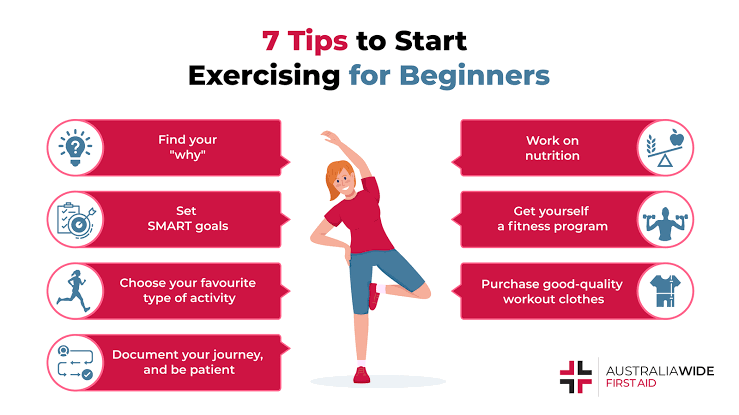
If you want to begin improving your lifestyle today, keep it simple.
Drink a glass of water. Take a short walk. Add vegetables to your next meal. Put your phone away before bedtime. Prepare a healthy snack. Spend a few minutes relaxing. Call someone you care about.
You do not need to change everything at once.
The most effective routine is one that you can realistically maintain.
Frequently Asked Questions
What are the best tips and tricks impocoolmom for a healthier lifestyle?
Focus on simple habits such as eating a varied diet, staying physically active, getting adequate sleep, drinking enough fluids, managing stress, and keeping up with appropriate preventive healthcare.
Can small lifestyle changes really help?
Yes. Small, consistent habits can contribute to overall health. The most useful changes are usually those that are realistic enough to maintain over time.
How can busy moms find time for healthy habits?
Start with short activities. A 10–20 minute walk, simple meal preparation, brief stretching, or a few minutes of relaxation can be easier to fit into a busy schedule than a complicated routine.
Should I follow health advice from social media?
Use caution. Social media can contain useful information, but it can also spread misleading or unsupported health claims. For medical decisions, rely on qualified healthcare professionals and reputable health organizations.
Do I need a strict diet to be healthy?
Not necessarily. A balanced eating pattern that includes a variety of nutritious foods is generally more sustainable than an unnecessarily restrictive diet.
Final Thoughts
The most valuable tips and tricks impocoolmom are not necessarily complicated. Healthy living can begin with ordinary choices: eating nourishing foods, moving your body, sleeping well, drinking enough fluids, managing stress, maintaining relationships, and seeking medical care when appropriate.
Rather than trying to become perfectly healthy overnight, focus on one or two changes you can maintain. Once those habits become part of your routine, build from there.
Your health is a long-term journey, and sustainable progress matters more than perfection.