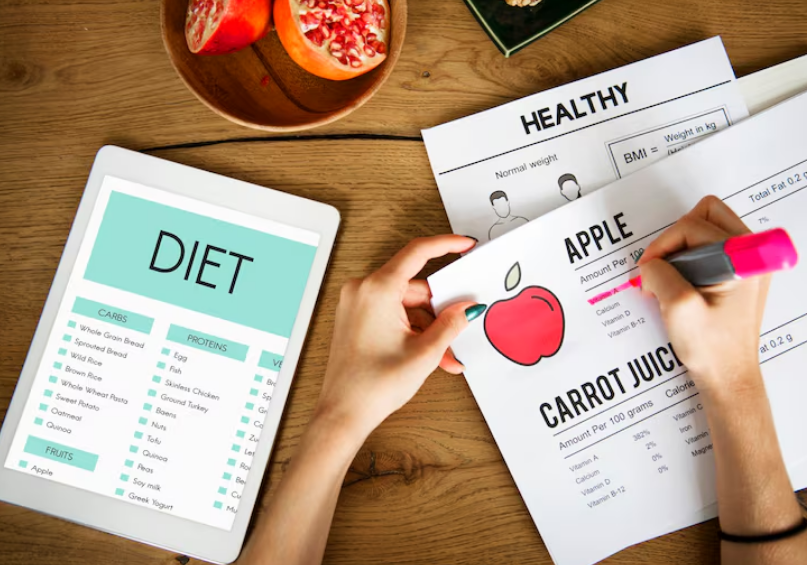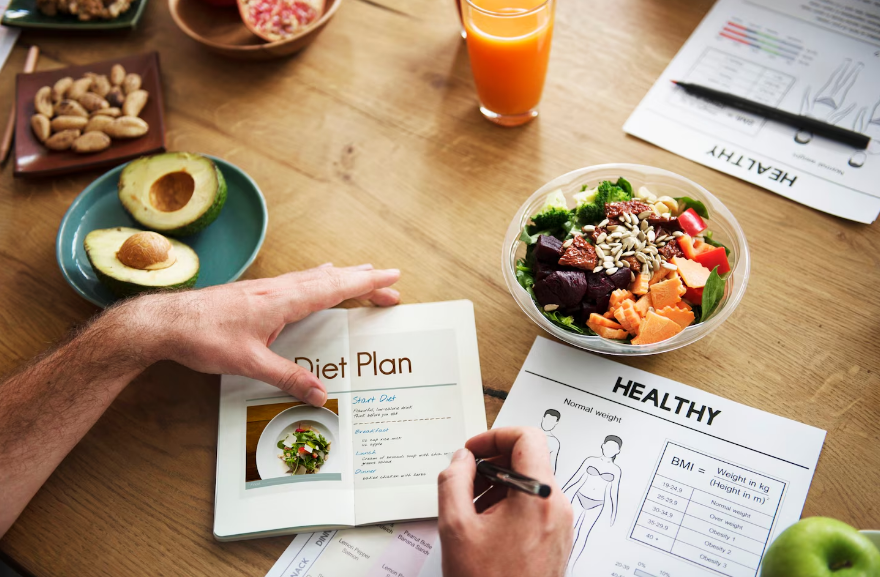
Eating healthy does not have to mean following complicated diets or giving up all the foods you enjoy. A balanced approach to food starts with simple choices, realistic planning, and an understanding of what your body needs. Smart diet planning can make it easier to prepare nutritious meals, maintain consistent eating habits, and avoid relying on unhealthy convenience foods.
A good meal plan should be practical enough to fit your lifestyle. Whether you prepare meals at home, have a busy work schedule, or are trying to improve your everyday eating habits, planning ahead can help you make better decisions throughout the week.
Understand What a Balanced Meal Looks Like
A healthy meal generally includes a combination of different food groups. Vegetables and fruits provide vitamins, minerals, antioxidants, and fiber. Protein-rich foods help support muscles and keep you feeling satisfied. Whole grains and other sources of complex carbohydrates provide energy, while healthy fats contribute to overall nutrition.
Instead of focusing on eliminating specific foods, think about creating balance on your plate. Include a variety of ingredients and choose minimally processed foods whenever practical.
For example, a simple meal could include grilled chicken, brown rice, and roasted vegetables. A vegetarian option might combine lentils, quinoa, leafy greens, and a small portion of avocado.
Variety is important because different foods provide different nutrients.
Plan Your Meals Before the Week Begins
One of the easiest ways to improve your eating routine is to plan meals in advance. Take a few minutes before the beginning of each week to decide what you want to eat for breakfast, lunch, dinner, and snacks.
Start by checking what you already have in your kitchen. This can prevent unnecessary purchases and reduce food waste.
Then create a simple shopping list based on the meals you plan to prepare. Include vegetables, fruits, protein sources, grains, and other ingredients you regularly use.
You do not need to plan every meal in detail. Having a general idea of what you will eat can be enough to make the week more organized.
Focus on Whole and Nutrient-Rich Foods
Whole foods can form the foundation of a balanced eating pattern. Vegetables, fruits, beans, lentils, whole grains, nuts, seeds, eggs, fish, and lean meats can all contribute valuable nutrients.
Try to include colorful vegetables and fruits throughout the week. Different colors often represent different naturally occurring plant compounds and nutrients.
Whole grains such as oats, brown rice, barley, and whole-grain bread can provide fiber and carbohydrates. Beans and lentils can provide both protein and fiber, making them useful ingredients for many meals.
The goal is not perfection. Processed foods can still be part of a balanced lifestyle. The focus should be on overall eating patterns rather than one individual meal.
Include Enough Protein
Protein is an important part of everyday nutrition. It helps maintain and repair body tissues and can contribute to feelings of fullness after meals.
Good sources include eggs, fish, poultry, lean meats, yogurt, cottage cheese, beans, lentils, tofu, nuts, and seeds.
Try adding a protein source to each main meal. For breakfast, you might choose eggs or Greek yogurt. Lunch could include beans, chicken, or tofu. Dinner might feature fish, lentils, or another preferred protein source.
Your individual protein needs can vary depending on factors such as age, activity level, body size, and health goals.
Do Not Forget Healthy Fats
Fat is another important part of a balanced diet. Rather than avoiding fat completely, focus on choosing nutritious sources and keeping portions appropriate.
Avocados, nuts, seeds, olive oil, and fatty fish are examples of foods that can provide unsaturated fats.
Adding a small amount of healthy fat to a meal can also improve flavor and satisfaction. For example, you could add nuts to oatmeal, olive oil to vegetables, or avocado to a salad.
Because fats are calorie-dense, portion awareness is still useful.
Make Meal Preparation Easier
Meal preparation does not have to involve spending an entire day cooking. Look for ways to simplify the process.
You can prepare larger portions of certain foods and use them in different meals. Cooked grains, roasted vegetables, beans, and grilled chicken can be stored and combined in several ways.
For example, roasted vegetables can be served with rice one day and added to a wrap or salad the next day.
Keeping basic ingredients ready can also make it easier to prepare a nutritious meal when you are short on time.
Create Healthy Snack Options
Snacks can be useful when you are hungry between meals. The key is to have convenient options available so you are less likely to choose foods simply because they are easy to grab.
Fresh fruit, yogurt, nuts, seeds, vegetables with hummus, or whole-grain crackers can be practical choices.
Consider preparing snacks in advance. Washing fruit, portioning nuts, or cutting vegetables can save time during busy days.
Pay attention to hunger and fullness rather than automatically eating because a particular time has arrived.
Stay Hydrated
Drinking enough fluids is an important part of a healthy lifestyle. Water is a simple choice for staying hydrated throughout the day.
Keep a water bottle nearby at work, school, or while traveling. Drinking water regularly can become easier when it is part of your normal routine.
Individual fluid needs can vary depending on factors such as activity, climate, diet, and health. People who exercise heavily or spend time in hot environments may have greater fluid needs.
Practice Portion Awareness
Even nutritious foods can contribute more energy than you need when portions are consistently very large. Portion awareness can help create a more balanced eating pattern without requiring strict measurement of everything you consume.
Use your hunger and fullness signals as useful guides. Eating slowly can also give your body more time to recognize when you have had enough.
Rather than labeling foods as completely good or bad, consider how often and how much you eat them. A flexible approach is often easier to maintain than extreme restrictions.
Make Your Plan Flexible
Life does not always follow a meal schedule. Work commitments, social events, travel, and unexpected situations can change your plans.
A flexible meal plan allows you to adjust without feeling like you have failed. If you cannot prepare the meal you planned, choose another option that still provides a reasonable balance of protein, vegetables, carbohydrates, and healthy fats.
You can also include favorite foods in moderation. Healthy eating should be sustainable and enjoyable rather than a temporary set of strict rules.
Build a Routine That Works for You
Successful diet planning is ultimately about creating habits that you can maintain. Start with small changes instead of trying to completely transform your eating routine overnight.
Plan a few meals each week, keep nutritious ingredients available, prepare basic foods ahead of time, and gradually learn which meals work best for your schedule.
Remember that nutritional needs are different for everyone. People with medical conditions, food allergies, specific dietary requirements, or other health concerns should consider speaking with a qualified healthcare professional or registered dietitian for individualized guidance.
Final Thoughts
Smart meal planning can make healthy eating more manageable and less stressful. By focusing on balanced meals, nutritious ingredients, regular preparation, appropriate portions, hydration, and flexibility, you can create an eating routine that fits your everyday life.
The most effective approach is one you can follow consistently. Small improvements made over time can become lasting habits, helping you enjoy a more organized and balanced relationship with food.