
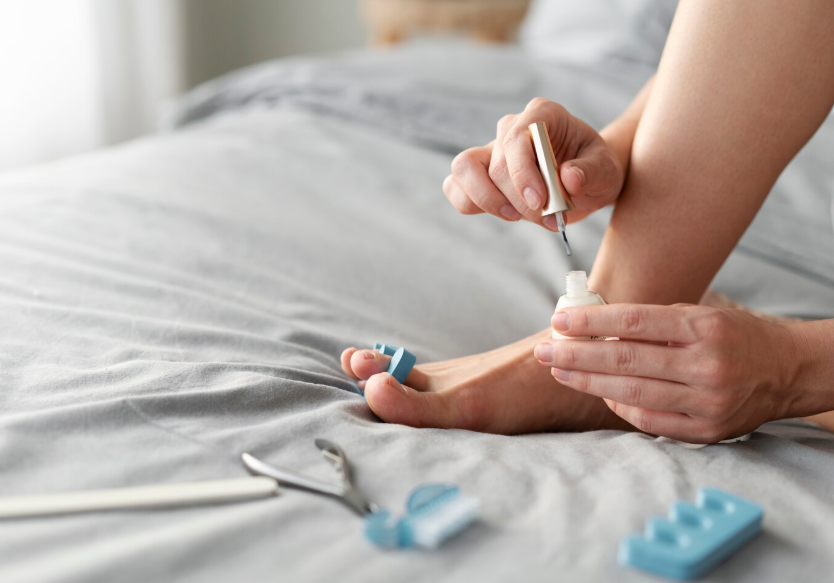
Taking care of your feet is an important part of managing diabetes. Although many people focus on blood sugar levels, diet, exercise, and medication, foot health deserves the same attention. Diabetes can affect the nerves and blood vessels in the feet, making it harder to notice injuries and allowing minor problems to become serious if they are not treated promptly.
A small cut, blister, cracked heel, or poorly fitting shoe may seem harmless. However, people with diabetes can have reduced sensation or circulation, which may slow healing and increase the risk of infection. Regular foot care, suitable footwear, and routine medical examinations can help reduce these risks.
The good news is that many diabetes-related foot problems can be prevented or identified early. A few minutes of daily inspection, gentle cleaning, proper moisturising, and wearing protective shoes can make a meaningful difference.
This guide explains diabetes care for feet, including why foot complications happen, how to build a daily care routine, how to choose suitable footwear, warning signs to watch for, and when to seek medical help.
Medical disclaimer: This article is for general educational purposes and does not replace medical advice. Anyone with diabetes who notices a new wound, ulcer, infection, unexplained swelling, or change in foot colour or temperature should contact a healthcare professional promptly.
Why Is Foot Care Important for People With Diabetes?
Diabetes can affect the nerves, blood vessels, and structures of the feet. These changes may develop gradually, which means a person may not notice a problem until it becomes more serious.
Two major complications are diabetic neuropathy and peripheral artery disease.
1. Diabetic Neuropathy
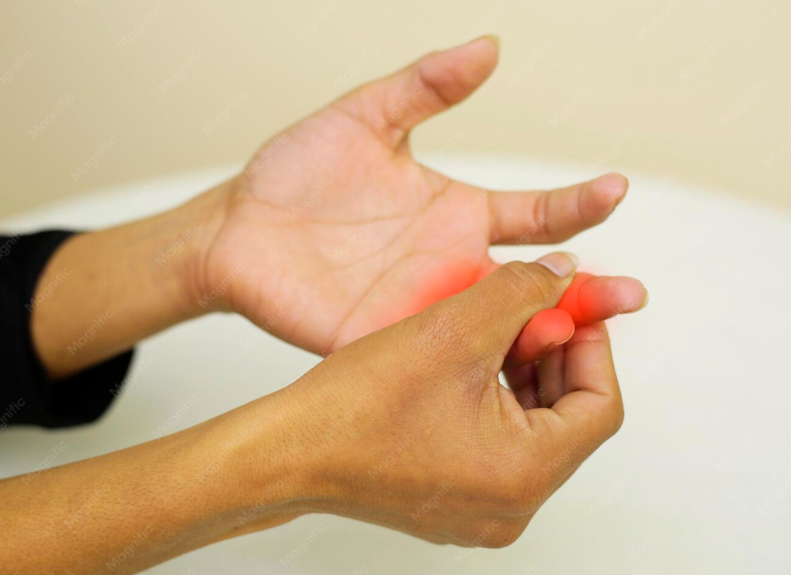
Diabetic neuropathy is nerve damage associated with diabetes. It commonly affects the feet and lower legs.
When nerves become damaged, a person may experience:
- Tingling or pins-and-needles sensations.
- Burning or shooting pain.
- Numbness in the toes or soles.
- Reduced ability to feel heat, cold, or pressure.
- Difficulty noticing cuts, blisters, or other injuries.
One of the biggest concerns is loss of protective sensation. A person may step on a sharp object, develop a blister, or wear shoes that rub against the skin without feeling the injury.
Daily foot inspections are especially important because pain cannot always be relied upon to identify a problem.
2. Poor Blood Circulation
Diabetes can increase the risk of peripheral artery disease, a condition in which narrowed blood vessels reduce blood flow to the legs and feet.
Healthy circulation helps deliver oxygen and nutrients needed for tissue repair. When circulation is reduced, wounds may take longer to heal.
Possible warning signs include:
- Feet that feel unusually cold.
- Changes in skin colour.
- Leg discomfort during walking.
- Slow-healing cuts or sores.
- Reduced hair growth on the feet or lower legs.
Poor circulation can occur alongside nerve damage, making foot injuries particularly concerning.
3. Higher Risk of Foot Ulcers
A diabetic foot ulcer is an open sore or wound, often found on the bottom of the foot or around the toes.
Ulcers can develop when repeated pressure, friction, minor injuries, or poorly fitting footwear damage the skin.
If an ulcer is not treated appropriately, infection can develop and spread into deeper tissues. In severe cases, this can lead to hospital treatment or amputation.
The purpose of preventive foot care is to identify pressure points and skin damage before they become serious.
Common Foot Problems Associated With Diabetes
Understanding common foot problems can help people recognise changes early.
1. Dry and Cracked Skin
Dry skin is common among people with diabetes. Reduced sweating, nerve changes, and other factors can contribute to dryness.
When the skin becomes extremely dry, it may crack, especially around the heels. Cracks can create openings through which bacteria may enter.
Regular moisturising helps keep the skin comfortable and reduces dryness.
2. Blisters
Blisters often develop because of friction from shoes, socks, or repeated pressure.
A person with reduced sensation may not notice that footwear is rubbing against the skin.
Avoid popping or cutting blisters yourself. Contact your healthcare professional for advice, particularly if the blister is large, red, warm, painful, or filled with fluid.
3. Corns and Calluses
Corns and calluses are areas of thickened skin that develop because of repeated pressure or friction.
They may appear on the toes, heels, or soles of the feet.
Although they can look harmless, thickened skin can hide pressure damage underneath. People with diabetes should not cut corns or calluses themselves or use medicated corn-removal plasters and liquid products.
A podiatrist or appropriately trained foot-care professional can assess the problem and recommend safe treatment.
4. Fungal Infections
Fungal infections such as athlete’s foot can develop between the toes or on the soles.
Common symptoms include:
- Itching.
- Peeling skin.
- Redness.
- Cracking between the toes.
- White or moist-looking skin.
Because damaged skin can provide an entry point for infection, persistent fungal symptoms should be assessed by a healthcare professional.
5. Ingrown Toenails
An ingrown toenail occurs when the edge of a nail grows into the surrounding skin.
It can cause redness, swelling, tenderness, and sometimes infection.
People with diabetes should avoid digging into the corners of their nails or attempting to remove ingrown sections themselves. A healthcare professional can assess the nail and provide appropriate care.
6. Foot Ulcers
Foot ulcers are open wounds that may develop because of pressure, friction, poor circulation, or unnoticed injuries.
They can occur on the toes, heels, soles, and other pressure points.
An ulcer requires professional assessment. Do not wait for it to become painful, because nerve damage may reduce the sensation of pain.
Daily Diabetes Foot Care Routine
A consistent routine is one of the most useful ways to protect foot health.
The Centers for Disease Control and Prevention and the American Diabetes Association recommend regular inspection, gentle washing, careful drying, appropriate moisturising, and protective footwear.
Step 1: Check Your Feet Every Day
Inspect both feet daily, including the soles, heels, sides, and spaces between the toes.
Look for:
- Cuts or scratches.
- Blisters.
- Redness or unusual colour changes.
- Swelling.
- Cracked skin.
- Sores or ulcers.
- Thickened areas of skin.
- Changes around the toenails.
- Signs of infection.
Use a mirror to examine the soles if you cannot see them easily. You can also ask a family member or caregiver to help.
It is useful to make foot inspection part of an existing habit, such as checking your feet before going to bed.
Step 2: Wash Your Feet Gently
Wash your feet daily using mild soap and lukewarm water.
Avoid very hot water because reduced sensation can make it difficult to recognise a temperature that may burn your skin.
A few practical tips:
- Use comfortable, lukewarm water.
- Clean the soles and between the toes.
- Avoid aggressive scrubbing.
- Do not use harsh soaps that leave the skin excessively dry.
- Do not soak your feet for long periods.
Long soaking can dry the skin and increase the possibility of cracking.
Step 3: Dry Your Feet Carefully
After washing, gently pat your feet with a clean, soft towel.
Pay particular attention to the spaces between the toes. Leaving moisture in these areas can encourage fungal growth and skin irritation.
Do not rub aggressively, especially if your skin is thin or sensitive.
Step 4: Apply Moisturiser
Dry skin can crack and become uncomfortable. Applying a suitable moisturiser to the tops and bottoms of the feet can help maintain skin softness.
Consider products containing ingredients such as:
- Glycerin.
- Petrolatum.
- Ceramides.
- Other skin-conditioning moisturising ingredients.
Avoid applying cream between the toes because excess moisture in those spaces may increase the risk of infection.
If your heels are severely cracked or the skin is changing despite regular moisturising, seek professional advice.
Step 5: Check Your Toenails
Look at your toenails for thickening, discolouration, ingrown edges, or signs of infection.
If you are able to trim your nails safely, cut them straight across and gently smooth sharp edges with a nail file.
Do not cut deeply into the corners or remove cuticles.
If you have poor eyesight, reduced sensation, thick nails, poor circulation, or difficulty reaching your feet, ask a podiatrist or trained healthcare professional to manage your nails.
Choosing the Right Shoes for Diabetic Foot Care
Footwear plays a major role in preventing friction, pressure, and injuries.
Shoes that are too tight may create pressure points, while shoes that are too loose may allow the feet to slide and rub against the inside.
Features of Suitable Shoes
Look for shoes that offer:
A comfortable fit: Your toes should have enough room to move without being squeezed.
A wide toe box: The front of the shoe should not press against your toes.
A supportive sole: Choose footwear that provides suitable support and protection for your daily activities.
Smooth interiors: Rough seams, folds, and hard edges can rub against the skin.
Secure fastening: Laces or adjustable straps can help keep the foot comfortably in place.
Appropriate cushioning: Suitable cushioning may help reduce pressure, depending on your foot shape and medical needs.
When Should You Buy New Shoes?
Feet can swell during the day, so trying on shoes later in the day may help you find a comfortable fit.
When purchasing new shoes:
- Try them on while wearing the socks you normally use.
- Check that your toes are not compressed.
- Walk around and notice any rubbing or pressure.
- Examine the inside for rough edges.
- Introduce new shoes gradually.
Do not continue wearing footwear that causes redness, blisters, or persistent discomfort.
People with foot deformities, previous ulcers, or loss of protective sensation may need specialist-prescribed therapeutic footwear or custom insoles.
Why You Should Never Walk Barefoot
Walking barefoot may expose the feet to injuries that are easy to overlook.
A small piece of glass, a sharp object, a hot floor, or an uneven surface can damage the skin.
People with diabetic neuropathy may not notice the injury immediately.
For better protection:
- Wear suitable shoes outdoors.
- Use protective slippers indoors.
- Avoid walking barefoot on hot surfaces.
- Wear comfortable socks.
- Check the inside of your footwear before putting it on.
Even when you are at home, protective footwear is an important part of daily diabetes foot care.
How to Choose the Right Socks
Socks help reduce friction and protect the skin from direct contact with footwear.
The right pair should fit comfortably without creating pressure around the toes or ankles.
Features to Look For
- Soft, breathable material.
- A comfortable fit.
- Minimal or smooth seams.
- Moisture-wicking fabric when appropriate.
- No tight elastic that leaves deep marks.
- No folds or wrinkles inside the shoe.
Change your socks daily and replace them if they become damp or dirty.
Some people with higher foot-ulcer risk may benefit from specially designed diabetic socks, but these are not a substitute for proper footwear or medical assessment.
Toenail Care for People With Diabetes
Toenail care is often overlooked, but incorrectly trimmed nails can cause cuts and ingrown toenails.
If you can safely manage your nails:
- Trim them after washing and drying your feet.
- Cut straight across rather than rounding the corners deeply.
- Smooth sharp edges gently.
- Avoid cutting nails too short.
- Never dig into the skin around the nail.
Do not use sharp tools to remove thick skin or treat ingrown nails.
If your nails are thick, discoloured, painful, or difficult to reach, arrange an appointment with a qualified foot-care professional.
Managing Blood Sugar for Better Foot Health
Daily foot care is important, but managing diabetes overall is equally important.
Persistently high blood glucose can contribute to nerve damage and blood-vessel problems. Keeping blood glucose within the target range recommended by your healthcare team can help reduce the risk of complications.
Other useful habits include:
Follow Your Diabetes Treatment Plan
Take prescribed medication as directed and attend regular appointments.
Do not change medication doses without speaking to your healthcare professional.
Follow a Balanced Eating Plan
Choose a balanced eating pattern that supports your individual blood glucose goals.
Include appropriate portions of vegetables, whole grains, protein sources, and other foods recommended by your diabetes care team.
Stay Physically Active
Regular physical activity can support blood glucose management and cardiovascular health.
Walking, cycling, and other suitable activities may be helpful. However, people with an active foot ulcer or an unexplained foot injury should obtain medical advice before continuing weight-bearing exercise.
Avoid Smoking
Smoking can damage blood vessels and reduce circulation. Quitting can support better overall vascular health.
Manage Blood Pressure and Cholesterol
Blood pressure and cholesterol management are important parts of reducing cardiovascular and circulation-related risks.
Follow your healthcare team’s recommendations for monitoring and treatment.
Diabetes Foot Care for People With Numbness
Numbness requires particular attention because it reduces the ability to detect injuries.
If you have reduced sensation in your feet, consider these additional precautions:
- Inspect your feet every day.
- Check the inside of your shoes before wearing them.
- Avoid hot water bottles and heating pads on your feet.
- Test bathwater carefully before washing.
- Never walk barefoot.
- Avoid using sharp tools on your feet.
- Attend regular professional foot examinations.
Do not rely on pain as a warning sign. An injury may need attention even when it does not hurt.
Professional Foot Examinations: How Often Are They Needed?
Home foot care should be supported by regular medical examinations.
The American Diabetes Association’s 2026 Standards of Care recommend a comprehensive foot evaluation at least once a year to identify risk factors for ulcers and other complications.
The examination may include:
- Checking the skin and toenails.
- Looking for foot deformities.
- Assessing protective sensation.
- Checking circulation and pulses.
- Reviewing previous ulcers or amputations.
- Identifying pressure points and footwear problems.
People who have loss of protective sensation, peripheral artery disease, foot deformities, or a history of ulcers or amputation may need more frequent monitoring.
If you have a previous foot ulcer or other high-risk condition, ask your healthcare team to explain your individual examination schedule.
Warning Signs That Need Medical Attention
Recognising early warning signs is essential. Do not wait for a routine appointment if you notice a new foot problem.
Contact a Healthcare Professional Promptly If You Notice:
- A cut or wound that is not healing.
- A blister or open sore.
- Redness or swelling.
- Unusual warmth in one area of the foot.
- New pain, tingling, or numbness.
- Discoloured skin.
- Pus or unusual discharge.
- A new change in foot shape.
- Thickened or infected-looking toenails.
A new ulcer, unexplained swelling, or a red, hot foot needs urgent assessment, even if there is little or no pain.
When Is Emergency Care Necessary?
Seek emergency medical attention if you notice signs of a severe infection or serious circulation problem, such as:
- Rapidly spreading redness or swelling.
- Blackened or dead-looking tissue.
- Fever or chills together with a foot wound.
- Severe or rapidly worsening pain.
- A suddenly cold, pale, or blue foot.
- Feeling seriously unwell alongside a foot infection.
Do not try to manage a potentially serious diabetic foot infection with home remedies.
What Should You Do If You Find a Cut or Foot Wound?
If you notice a new cut, blister, or sore, take it seriously.
A practical response is:
- Avoid pressure on the affected area.
- Do not cut away damaged skin.
- Do not apply chemical corn removers or harsh home treatments.
- Cover the area with a clean, appropriate dressing if advised.
- Contact your healthcare professional promptly for assessment.
Do not wait to see whether a diabetic foot wound becomes painful. Reduced sensation can hide the severity of an injury.
If you already have an ulcer, follow the wound-care plan provided by your clinical team. Treatment may involve pressure relief, wound dressings, infection management, circulation assessment, and specialist follow-up.
Diabetes Foot Care Mistakes to Avoid
Even small mistakes can increase the risk of foot problems.
1. Ignoring Small Injuries
A tiny cut or blister may become serious if it is ignored. Check your feet daily and seek advice about new injuries.
2. Using Hot Water
Reduced sensation can make it difficult to recognise water that is too hot. Always use lukewarm water.
3. Applying Moisturiser Between the Toes
Moisturising the soles and tops of the feet can help with dryness, but cream between the toes can trap moisture.
4. Cutting Corns or Calluses at Home
Razors, blades, and medicated corn-removal products can damage the skin. Let a qualified professional assess thickened skin.
5. Wearing Poorly Fitting Shoes
Tight footwear, rough seams, and excessive pressure can lead to blisters and ulcers.
6. Walking Barefoot
Walking without protective footwear increases the risk of cuts, burns, and other injuries.
7. Skipping Regular Foot Examinations
Even people who feel healthy and have no visible foot problems should receive routine professional examinations.
A Simple Daily Diabetes Foot Care Checklist
A checklist can help turn foot care into a consistent habit.
| Daily task | What to do |
|---|---|
| Inspect | Check both feet, including soles and between toes |
| Wash | Use mild soap and lukewarm water |
| Dry | Pat dry, especially between toes |
| Moisturise | Apply cream to dry areas, avoiding between toes |
| Check nails | Look for ingrown edges, thickening, or discolouration |
| Check footwear | Look for stones, rough seams, and damaged lining |
| Wear protection | Use comfortable socks and properly fitting shoes |
| Report problems | Contact your healthcare team about new injuries |
Frequently Asked Questions About Diabetes Care for Feet
1. Why is foot care important for people with diabetes?
Diabetes can damage nerves and blood vessels, reducing sensation and affecting circulation. This can make injuries harder to notice and wounds slower to heal. Daily foot care helps identify problems early and reduce the risk of serious complications.
2. How often should people with diabetes check their feet?
People with diabetes should inspect their feet every day. Check the soles, heels, toes, spaces between the toes, and toenails for cuts, blisters, swelling, redness, or other changes.
3. Can people with diabetes use moisturiser on their feet?
Yes. A suitable moisturiser can help prevent dry and cracked skin. Apply it to the tops and bottoms of the feet, but avoid putting cream between the toes.
4. Should people with diabetes soak their feet?
Routine foot soaking is generally discouraged because prolonged soaking can dry the skin and increase the risk of cracking. Washing with mild soap and lukewarm water is usually a better approach.
5. What type of shoes are best for diabetic feet?
Choose comfortable shoes with a wide toe box, supportive soles, adequate cushioning, and smooth interiors. People with previous ulcers, deformities, or reduced sensation may need specialist-prescribed therapeutic footwear.
6. Can people with diabetes walk barefoot at home?
It is safer to avoid walking barefoot, even indoors. Protective footwear helps reduce the risk of cuts, burns, and injuries that may go unnoticed.
7. How should toenails be trimmed with diabetes?
If you can manage your nails safely, trim them straight across and smooth sharp edges gently. Avoid cutting deeply into the corners. People with poor vision, thick nails, or reduced sensation should seek professional nail care.
8. What are the early signs of diabetic foot problems?
Early signs include redness, swelling, blisters, cuts, dry cracked skin, changes in colour or temperature, tingling, numbness, and unusual warmth. Any new wound or unexplained swelling should be assessed promptly.
9. Can diabetic foot ulcers heal?
Many diabetic foot ulcers can heal with appropriate medical treatment. Care may include wound management, pressure relief, infection treatment, and circulation assessment. Early professional care is important.
10. How often should a person with diabetes have a foot examination?
A comprehensive foot examination should be performed at least annually. People with nerve damage, poor circulation, previous ulcers, or other high-risk features may need more frequent examinations.
11. Are special diabetic socks necessary?
Not everyone with diabetes needs specially labelled diabetic socks. Comfortable socks that fit properly, reduce friction, and keep the feet dry may be sufficient for many people. Ask your healthcare professional if you have additional foot risks.
12. Can good blood sugar control prevent diabetic foot problems?
Good blood glucose management can help reduce the risk of nerve and blood-vessel complications. However, it does not eliminate every risk, so regular foot inspections and professional examinations remain important.
Final Thoughts
Diabetes care for feet is an essential part of long-term diabetes management. Nerve damage and poor circulation can make everyday injuries more difficult to detect and may increase the risk of infection, ulcers, and other complications.
A consistent routine can help protect your feet. Inspect them daily, wash with lukewarm water, dry carefully, moisturise dry areas, trim nails safely, and wear properly fitting footwear. Just as importantly, attend regular medical examinations and report new injuries or changes promptly.
Remember that a foot problem does not have to be painful to be serious. Early attention, appropriate footwear, good diabetes management, and professional care can help reduce the risk of complications and support better foot health over time.


1 Comment
[…] Read More:- Diabetes Care for Feet: A Complete Guide to Daily Foot Care and Preventing Complications […]