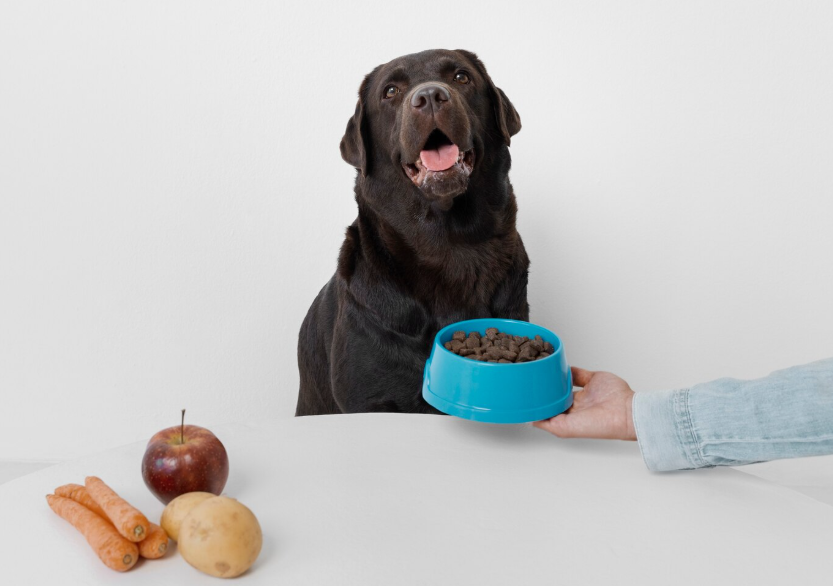
Choosing the right dog food for diabetic dogs is an important part of managing canine diabetes. Food affects how a dog’s blood glucose levels change after meals, how much energy they receive, and how easily their condition can be controlled with insulin. A suitable diet can help maintain a healthy body weight, support overall health, and make daily diabetes management more predictable.
However, feeding a diabetic dog is not simply about choosing food labelled “low sugar” or “diabetic formula.” Dogs have different nutritional needs depending on their weight, age, activity level, appetite, insulin schedule, and other health conditions. Some dogs benefit from a veterinary therapeutic diet, while others can remain stable on a regular, complete and balanced commercial dog food.
Consistency is one of the most important principles. Feeding the same food in measured portions at predictable times helps reduce unnecessary changes in blood glucose levels. Treats, table scraps, sudden diet changes, and irregular meal schedules can make diabetes harder to manage.
This guide explains what to look for in dog food for diabetic dogs, which ingredients and foods deserve attention, how to manage meal times, and when to ask a veterinarian about changing your dog’s diet.
Why Diet Matters for Dogs With Diabetes
Diabetes mellitus affects the way a dog’s body uses glucose, commonly called blood sugar. Insulin is the hormone that helps glucose move from the bloodstream into cells, where it can be used for energy. In diabetic dogs, the body does not produce enough insulin or cannot use it effectively.
Most dogs with diabetes require insulin injections as part of their treatment. Food does not replace insulin, but it plays an important supporting role. The type, amount, and timing of meals can influence blood glucose levels throughout the day.
How Food Affects Blood Sugar
After eating, a dog’s digestive system breaks down nutrients and absorbs glucose and other substances into the bloodstream. Different foods are digested at different rates.
Foods containing large amounts of simple sugars and easily digested carbohydrates may cause blood glucose to rise more quickly. Meals containing appropriate amounts of complex carbohydrates and dietary fibre can help moderate the post-meal response in some dogs.
The ideal nutritional balance depends on the individual dog. A diet that works well for an overweight dog may not provide enough calories for a thin dog that needs to regain weight.
The Connection Between Weight and Diabetes
Body weight is another important consideration. Excess body fat can contribute to insulin resistance, making blood glucose more difficult to control. If an overweight diabetic dog loses weight gradually under veterinary supervision, its insulin requirements may change.
On the other hand, unexplained weight loss can be a warning sign that diabetes is not adequately controlled. A dog that is losing weight despite eating normally or having an increased appetite should be examined by a veterinarian.
The goal is not simply to make every diabetic dog thinner. It is to maintain a healthy body condition and preserve muscle mass.
What Is the Best Dog Food for Diabetic Dogs?
There is no single food that is best for every diabetic dog. A suitable diet should provide complete and balanced nutrition, match the dog’s calorie requirements, and support a consistent feeding routine.
A veterinarian may recommend a prescription diabetic diet, a weight-management formula, a low-fat food, or a regular commercial diet. The choice depends on the dog’s medical history and nutritional needs.
1. Complete and Balanced Nutrition
Start by choosing food that is labelled as complete and balanced for the dog’s appropriate life stage. This means it is designed to provide the essential nutrients a dog needs when fed according to its directions.
Look for a product from a reputable manufacturer that provides clear nutritional information and quality-control details.
A food marketed as natural, grain-free, premium, or low carbohydrate is not automatically suitable for a diabetic dog. The complete nutritional profile matters more than attractive packaging claims.
2. Appropriate Dietary Fibre
Fibre is often discussed when choosing dog food for diabetic dogs because it can influence digestion, nutrient absorption, and blood glucose changes after meals.
Some therapeutic diets contain increased amounts of soluble and insoluble fibre. These fibres work differently:
- Soluble fibre: Absorbs water and forms a gel-like substance during digestion. It can slow the movement of food through the digestive tract.
- Insoluble fibre: Adds bulk to stool and supports normal bowel movement.
- Mixed fibre: Combines different fibre types and may support digestive health and blood glucose management.
The amount and type of fibre should suit the individual dog. A high-fibre diet may be useful for an overweight dog that needs help feeling full, but it may not be appropriate for an underweight dog that needs additional calories.
3. Controlled Fat Content
Fat provides concentrated energy, so the amount in a dog’s diet can affect calorie intake and weight management.
Some diabetic dogs, particularly those that are overweight or have a history of pancreatitis or elevated blood fats, may benefit from a lower-fat diet. However, not every diabetic dog needs the same fat restriction.
A dog that is underweight or has difficulty maintaining muscle may need a different nutritional approach. Ask your veterinarian to consider the dog’s body condition, blood test results, and medical history before selecting a low-fat formula.
4. High-Quality Protein
Protein helps maintain muscle, supports tissue repair, and provides essential amino acids. It is especially important for dogs that have lost weight or muscle mass.
Choose a complete food with an appropriate protein level for your dog’s age, health, and activity level. Chicken, fish, turkey, eggs, and other suitable protein sources may be included in commercial dog foods.
Dogs with additional conditions, such as kidney disease, may need a specially adjusted protein intake. Do not increase or restrict protein without veterinary advice.
5. Consistent Carbohydrate Sources
Carbohydrates provide energy, but their type and digestibility can influence post-meal blood glucose levels.
Some veterinary diets use complex carbohydrate sources and fibre to help moderate glucose absorption. Ingredients may include barley, oats, or other grains and carbohydrate sources.
There is no universal rule that every diabetic dog must eat a grain-free or extremely low-carbohydrate diet. The complete food formulation, calorie content, digestibility, and feeding consistency are more useful considerations than judging a food by one ingredient alone.
Types of Dog Food Suitable for Diabetic Dogs
Diabetic dogs can eat different types of commercial food, provided the diet is appropriate for their individual needs and is introduced with veterinary guidance.
Prescription Diabetic Dog Food
Prescription diets are specially formulated to support the nutritional management of certain medical conditions. Some diabetic formulas contain carefully selected carbohydrate sources and increased fibre.
Your veterinarian may recommend a therapeutic diet when a dog has difficulty maintaining stable glucose levels or needs additional nutritional support.
Common veterinary diet ranges include products from:
- Hill’s Prescription Diet
- Royal Canin Veterinary
- Purina Pro Plan Veterinary Diets
Product availability and formulations vary by country. These brands offer different veterinary nutrition products, but not every product from these manufacturers is intended for diabetic dogs.
Always check the exact product name and suitability with your veterinarian.
Regular Commercial Dry Dog Food
Some diabetic dogs can remain on a regular dry dog food if it is complete, balanced, palatable, and suitable for their weight and health.
The main advantage is that a dog may already be familiar with the food and eat it reliably. Changing to a new formula is not always necessary when diabetes is well controlled.
If your veterinarian approves the current food, measure each serving carefully and avoid changing brands or recipes without discussing the effect on the feeding plan.
Wet Dog Food
Wet food can be useful for dogs that prefer softer meals, have dental difficulties, or need additional moisture in their diet.
Some canned foods contain fewer simple carbohydrates and have a lower calorie density than comparable dry foods, but this varies by product. Not every wet food is suitable for diabetes management.
Check the nutritional information, calorie content, and complete-and-balanced statement. Your veterinarian can help compare wet and dry options.
Homemade Dog Food
Some owners prefer preparing meals at home because they want to control the ingredients. Homemade food can be an option, but it requires careful planning.
A meal made from chicken, vegetables, and rice may look healthy, yet it can be deficient in essential vitamins, minerals, fatty acids, or other nutrients when fed regularly.
If you want to prepare homemade meals, work with a veterinarian or board-certified veterinary nutritionist. The recipe should be designed specifically for your dog’s health, calorie needs, and diabetes treatment.
Foods That May Be Included in a Diabetic Dog’s Diet
Some plain foods can be used as small additions or treats, but they should not replace a complete and balanced diet. Always check with your veterinarian before introducing new foods, especially if your dog has pancreatitis, kidney disease, food allergies, or digestive problems.
Plain Lean Protein
Depending on your dog’s overall diet, small portions of plain, cooked protein may be suitable.
Examples include:
- Boiled chicken without skin, bones, or seasoning
- Plain cooked turkey
- Fully cooked fish without bones
- Plain cooked egg
Avoid adding butter, oil, sauces, salt, onion, or garlic. These additions can make a simple food unsuitable for dogs.
Non-Starchy Vegetables
Some dogs enjoy small portions of plain vegetables. Options that may be suitable include:
- Green beans
- Cucumber
- Zucchini
- Broccoli in small amounts
- Carrots in measured portions
Vegetables should be washed, prepared safely, and served without seasoning. Introduce one new food at a time to watch for digestive upset.
Plain Pumpkin
Plain pumpkin may provide dietary fibre and can be useful in some feeding plans. Choose plain cooked pumpkin or 100% pumpkin puree without added sugar, spices, or pie filling.
Pumpkin is not a treatment for diabetes, and large portions can affect digestion and calorie intake. Ask your veterinarian whether it fits your dog’s diet.
Commercial Diabetic-Friendly Treats
Treats should be included in the dog’s daily calorie allowance. Look for products with clear ingredient and calorie information.
A treat labelled “diabetic-friendly” is not automatically safe for every dog. Some products may contain ingredients that affect blood glucose or contribute too many calories.
The safest approach is to ask your veterinary team which treats can be given and how many are appropriate.
Foods to Avoid or Limit for Diabetic Dogs
A diabetic dog does not need to avoid every carbohydrate-containing food. However, certain foods can make blood glucose and weight management more difficult, while others are toxic to dogs.
Sugary Foods and Sweet Treats
Avoid giving diabetic dogs foods containing added sugar, syrups, honey, or sweetened sauces.
Examples include:
- Cakes and biscuits
- Doughnuts and pastries
- Sweetened breakfast cereals
- Ice cream
- Candy
- Sugary yoghurt
- Sweetened peanut butter
These foods can add unnecessary calories and make glucose management less predictable.
High-Calorie Table Scraps
Human meals are often difficult to measure accurately. They may contain added fats, salt, sugar, sauces, and seasonings.
Regularly feeding leftovers can also make it harder to maintain a consistent diet. If you want to share small amounts of human food, ask your veterinarian which plain ingredients are suitable.
High-Fat Foods
Large amounts of fatty meat, bacon, sausages, fried food, butter, cream, and fatty leftovers can contribute excessive calories.
High-fat meals may be particularly unsuitable for dogs with a history of pancreatitis or elevated blood triglycerides. These dogs may require a carefully controlled low-fat diet.
Foods Containing Xylitol
Xylitol is an artificial sweetener found in some sugar-free products. It is extremely dangerous to dogs and can cause a rapid drop in blood glucose as well as serious liver injury.
Check labels carefully, particularly on sugar-free peanut butter, chewing gum, sweets, and baked products.
If your dog eats something containing xylitol, contact an emergency veterinarian or animal poison service immediately. Do not wait for symptoms.
Toxic Foods
Some foods should never be given to dogs, whether or not they have diabetes. These include:
- Grapes and raisins
- Onion and garlic
- Chocolate
- Alcohol
- Macadamia nuts
Keep these foods away from your dog and seek veterinary advice if accidental ingestion occurs.
How to Feed a Dog With Diabetes
The right food is only one part of the feeding plan. Meal timing, portion size, insulin administration, and daily routine also matter.
Follow a Consistent Feeding Schedule
Many diabetic dogs are fed two meals a day at approximately the same times, often around 10 to 12 hours apart. However, the correct schedule depends on the insulin product and the veterinarian’s treatment plan.
Try to keep the following consistent:
- Type and brand of food
- Portion size
- Meal times
- Treat amounts
- Daily activity
- Insulin schedule
Consistency makes it easier for the veterinary team to interpret glucose readings and adjust treatment when needed.
Measure Every Meal
Avoid estimating portions by eye. Use a kitchen scale or a suitable measuring cup, depending on your veterinarian’s instructions.
Even small changes in daily calories can affect body weight over time. Record the amount your dog eats, particularly when starting a new diet.
Coordinate Meals With Insulin
Many dogs receive insulin in connection with meals. The timing and amount of food should follow the instructions provided for the specific insulin being used.
Do not copy a feeding schedule from another dog or change insulin timing independently.
What if your dog refuses a meal?
If your dog skips a meal, eats much less than usual, vomits, or seems unwell, contact your veterinarian for instructions before giving the usual insulin dose. The correct response depends on the dog’s treatment plan and current condition.
Never automatically give the normal insulin dose to a dog that has not eaten without veterinary guidance. Too much insulin relative to food intake can cause dangerous hypoglycaemia, or low blood sugar.
Keep Fresh Water Available
Diabetic dogs may drink and urinate more than usual, particularly when their glucose levels are not well controlled.
Fresh drinking water should always be available. Never restrict water to reduce urination unless a veterinarian specifically instructs you to do so.
A noticeable change in thirst or urination should be reported to the veterinary team.
Sample Daily Feeding Routine for a Diabetic Dog
The following example illustrates how a predictable routine might look. It is not a prescription, and meal times must be adjusted to the dog’s insulin type and veterinary instructions.
| Time | Routine |
|---|---|
| 7:00 AM | Morning meal and insulin according to the prescribed plan |
| 7:30 AM | Short, gentle walk if appropriate |
| 12:00 PM | Check water, comfort, and general behaviour |
| 6:00 PM | Evening meal and insulin according to the prescribed plan |
| 6:30 PM | Gentle activity if appropriate |
| Before bed | Check that fresh water is available and observe behaviour |
The most important part is not following these exact hours. It is maintaining the schedule recommended by your veterinarian.
How to Choose the Right Food for Your Diabetic Dog
Before purchasing a new food, consider more than the front label. A product should meet the dog’s nutritional requirements and fit into its treatment plan.
Read the Nutritional Label
Check the following details:
- Complete and balanced statement: Confirm that the food is designed to provide complete nutrition for the appropriate life stage.
- Calories: Compare the calories per cup, can, or kilogram so portions can be measured accurately.
- Protein: Check whether the food provides suitable protein for maintaining muscle.
- Fat: Consider the dog’s weight and any history of pancreatitis or high blood fats.
- Fibre: Ask whether the fibre level and type are appropriate.
- Feeding instructions: Use the label as a starting point, then follow your veterinarian’s calorie and portion recommendations.
The guaranteed analysis on a pet food label does not always provide enough information to compare the full nutritional profile. Manufacturers may be able to supply additional nutrient details, including information on a dry-matter basis.
Consider Your Dog’s Weight
A diabetic dog that is overweight may need a controlled weight-loss plan. A dog that is underweight may need more calories and a different nutrient balance.
Weigh your dog regularly and record changes. Weight loss should be gradual and supervised because improved body condition can change insulin requirements.
Consider Other Health Conditions
Diabetes rarely exists in isolation. Some dogs also have pancreatitis, kidney disease, gastrointestinal problems, allergies, or age-related conditions.
These health issues can change which food is appropriate. For example, a dog with pancreatitis may need a much stricter fat restriction than a diabetic dog without that history.
The best food is the one that supports the dog’s overall health, not just one laboratory measurement.
Can You Change Your Dog’s Food After a Diabetes Diagnosis?
Yes, a veterinarian may recommend changing the food after diagnosis. However, changing the diet should be planned rather than done suddenly.
A new food can alter calorie intake, digestion, glucose response, and insulin requirements. Even changing protein sources or switching between dry and wet formulas may affect a dog’s routine.
If a change is recommended, ask your veterinarian:
- Why is the new food better for my dog?
- How much should I feed at each meal?
- Should the food be introduced gradually?
- Does the insulin schedule need to change?
- When should blood glucose be checked again?
- What signs should I monitor at home?
Do not adjust insulin yourself to compensate for a new food. Your veterinarian should guide any treatment changes.
Signs That Your Diabetic Dog’s Diet or Treatment May Need Attention
Food alone cannot tell you whether diabetes is controlled. Changes in behaviour, appetite, thirst, urination, and body weight can provide important clues.
Increased Thirst and Urination
Drinking more water and urinating more frequently are common signs of high blood glucose. If these symptoms return or become worse, contact your veterinarian.
Increased Hunger With Weight Loss
A diabetic dog may seem hungry because its body cannot use glucose normally. Weight loss despite a strong appetite can indicate poor glucose control or another health problem.
Reduced Appetite
A dog that suddenly refuses food may be experiencing nausea, infection, pancreatitis, or another medical issue. In a dog receiving insulin, missing meals can also increase the risk of low blood sugar.
Contact your veterinarian promptly for advice.
Vomiting, Weakness, or Unusual Behaviour
Vomiting, severe tiredness, dehydration, or weakness should not be treated as ordinary dietary problems. These signs may indicate a serious complication, including diabetic ketoacidosis.
Seek urgent veterinary assessment if your dog is unwell, especially if several symptoms occur together.
Signs of Low Blood Sugar
Hypoglycaemia can occur when blood glucose falls too low, sometimes because insulin and food intake are not properly matched.
Possible signs include:
- Sudden weakness
- Shaking or trembling
- Unusual hunger
- Disorientation
- Poor coordination
- Seizures
- Collapse
Seizures, collapse, or severe confusion are emergencies. Follow any emergency glucose instructions supplied by your veterinarian and seek immediate veterinary care. Do not force food or liquid into the mouth of a dog that is unconscious or having a seizure.
Frequently Asked Questions About Dog Food for Diabetic Dogs
1. What is the best dog food for diabetic dogs?
The best food depends on the dog’s weight, glucose control, appetite, insulin schedule, and other medical conditions. Some dogs benefit from prescription diabetic diets, while others do well on a complete and balanced commercial food. Ask your veterinarian to recommend a formula based on your dog’s individual needs.
2. Can diabetic dogs eat regular dog food?
Yes. A diabetic dog may be able to eat regular commercial dog food if it provides complete and balanced nutrition and supports stable glucose management. The food should be fed in measured portions at consistent times. Do not change a well-managed dog’s diet without discussing it with the veterinarian.
3. Is wet food better than dry food for diabetic dogs?
Not always. Some canned diets contain more moisture, fewer simple carbohydrates, and fewer calories per gram than dry alternatives. However, nutritional content varies between products. The best choice depends on the dog’s health, preferences, and complete dietary requirements.
4. Can diabetic dogs eat chicken and rice?
Plain, cooked chicken and rice may be suitable as a short-term meal in certain circumstances, but it is not automatically a complete long-term diet. Rice also contributes carbohydrates. Ask your veterinarian before using chicken and rice regularly, especially if your dog receives insulin.
5. Are vegetables good for diabetic dogs?
Some plain vegetables, such as green beans, cucumber, and zucchini, may be suitable in small portions. They should be introduced gradually and counted as part of the dog’s overall food intake. Avoid seasoned vegetables and ingredients such as onion and garlic.
6. Can diabetic dogs eat fruit?
Some fruits may be safe for dogs in very small portions, but they contain natural sugars and calories. Fruit should not become a major part of a diabetic dog’s diet. Grapes and raisins must never be given because they can cause serious kidney injury.
7. Should diabetic dogs eat a grain-free diet?
No. Diabetes does not automatically mean a dog needs grain-free food. Grains are not inherently unsuitable for diabetic dogs, and removing them does not guarantee better glucose control. Choose food based on its full nutritional profile and your veterinarian’s advice.
8. How many times a day should a diabetic dog eat?
Many diabetic dogs eat two measured meals daily, often approximately 10 to 12 hours apart. However, the correct schedule depends on the insulin type and treatment plan. Follow the timing recommended by your veterinarian rather than applying a general schedule to every dog.
9. Can treats affect a diabetic dog’s blood sugar?
Yes. Treats add calories and may contain carbohydrates or sugars that affect glucose levels. Keep treats consistent, measure their portions, and include them in the daily calorie allowance. Ask your veterinarian which options are suitable.
10. Can diet alone control diabetes in dogs?
Usually not. Most dogs with diabetes require insulin therapy. Diet and exercise support treatment by helping maintain a healthy body weight and making glucose changes more predictable, but they do not replace prescribed insulin.
Final Thoughts
Choosing the right dog food for diabetic dogs is about creating a reliable nutritional routine rather than finding a product with a perfect marketing label. A complete and balanced diet, measured portions, predictable meal times, appropriate treats, and regular veterinary monitoring can all support better diabetes management.
Prescription food may be useful for some dogs, while others can remain stable on their existing commercial diet. Weight, appetite, fibre, fat, protein, and other health conditions should all be considered before making a change.
Most importantly, never change your dog’s insulin dose or feeding schedule without veterinary guidance. With the right food, consistent care, and regular monitoring, many diabetic dogs can continue enjoying a comfortable and active life.