
Understanding the Value of Structure
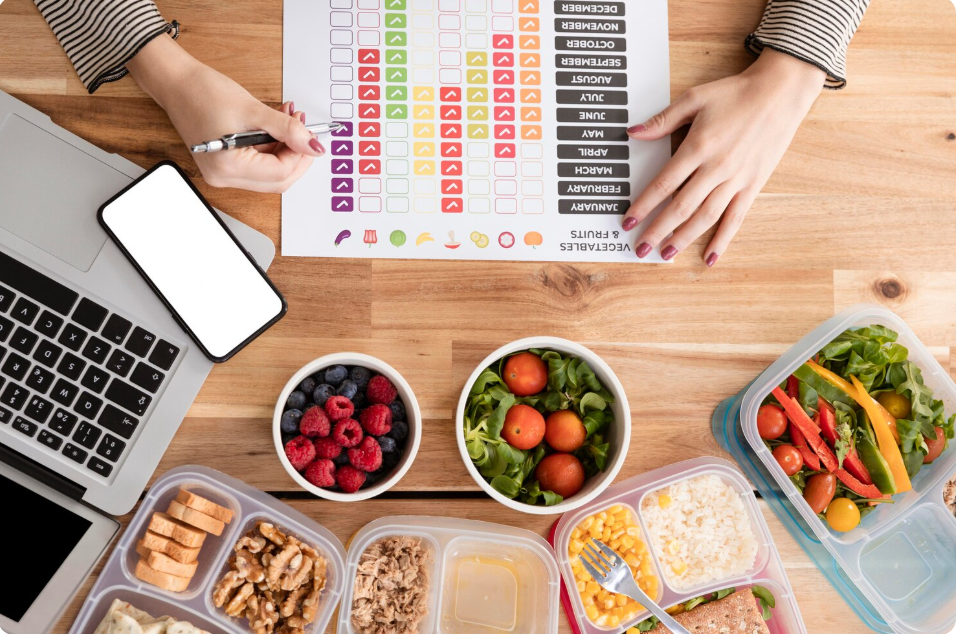
Daily food choices are often influenced by time, mood, and convenience. Without structure, meals can become inconsistent and unbalanced. Diet & Meal Planning provides a clear framework that helps individuals make intentional decisions. This structure reduces guesswork and supports steady routines that are easier to maintain over time.
Building Consistency in Eating Patterns
Consistency plays a major role in how the body responds to food. Irregular meals can disrupt energy levels and focus. Planning meals in advance encourages regular eating patterns, which helps the body adapt to a predictable rhythm. This consistency supports better digestion and sustained energy throughout the day.
Supporting Balanced Nutrition
Balanced nutrition requires thoughtful combinations of foods rather than random choices. Planning ahead makes it easier to include a variety of nutrients across meals. When meals are planned with intention, there is more room for whole foods and mindful portions. This approach supports overall nutritional balance without extreme restrictions.
Reducing Daily Stress Around Food
Deciding what to eat multiple times a day can become mentally exhausting. Unplanned choices often lead to rushed decisions. Diet & Meal Planning reduces this stress by removing last minute pressure. Knowing meals in advance creates mental ease and allows individuals to focus on other priorities.
Encouraging Healthier Food Choices
Planning ahead naturally encourages healthier options. When meals are prepared or planned in advance, there is less reliance on impulse choices. This supports better alignment with personal health goals. Over time, these repeated choices shape long term habits that feel natural rather than forced.
Saving Time and Energy
Time is a valuable resource. Daily meal decisions and preparation can consume more time than expected. Planning meals streamlines grocery shopping and preparation. This efficiency saves both time and mental energy, making healthy routines more manageable within busy schedules.
Supporting Portion Awareness
Portion sizes often become unclear without planning. Preparing meals in advance or following a plan helps maintain awareness of portions. This awareness supports mindful eating and reduces overeating driven by convenience. Over time, portion awareness becomes an intuitive habit.
Improving Relationship With Food
A positive relationship with food is built on balance and intention. Planning removes guilt and uncertainty from eating decisions. Instead of reacting to hunger with rushed choices, individuals approach meals with confidence. This mindset supports enjoyment and satisfaction during meals.
Adapting to Personal Lifestyles
Every lifestyle has unique demands. Work schedules, family routines, and activity levels influence food needs. Meal planning allows flexibility while maintaining structure. Plans can be adjusted without losing consistency, making this approach adaptable rather than rigid.
Supporting Long Term Goals
Short term changes often fade without a system. Diet & Meal Planning supports long term goals by creating repeatable habits. Instead of relying on motivation alone, individuals rely on preparation and consistency. This foundation increases the likelihood of sustainable progress.
Encouraging Mindful Eating
Mindful eating begins before the meal itself. Planning encourages awareness of food choices and timing. When meals are intentional, individuals are more likely to eat without distraction. This awareness improves satisfaction and supports better listening to hunger cues.
Reducing Food Waste
Unplanned shopping often leads to unused ingredients. Planning meals aligns grocery purchases with actual needs. This reduces waste and supports more efficient use of food resources. Over time, this habit benefits both household organization and budgeting.
Supporting Family and Shared Meals
Shared meals become easier when there is a plan in place. Planning helps coordinate preferences and schedules. This supports more frequent shared meals, which strengthen connections and encourage healthier eating environments.
Creating a Sense of Control
Feeling in control of daily routines supports confidence. Meal planning provides a sense of direction without being restrictive. This control reduces feelings of chaos around eating and supports emotional balance.
Flexibility Within Structure
Planning does not mean rigidity. It allows room for adjustments when needed. The presence of a plan makes flexibility easier because there is a foundation to return to. This balance supports consistency without pressure.
A Practical Tool for Consistent Living
Healthy habits are built through repeated actions. Diet & Meal Planning serves as a practical tool that supports consistency, balance, and mindful choices. When integrated into daily life, it simplifies decisions and creates a supportive rhythm that aligns with long term well being.