
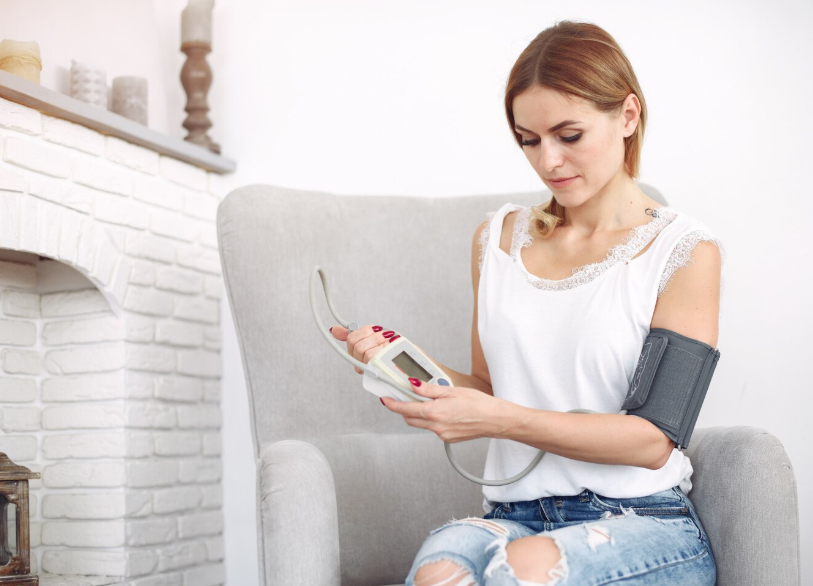
Keeping track of blood pressure is an important part of maintaining good health. High blood pressure, also known as hypertension, often develops without noticeable symptoms. A person may feel completely normal while their blood pressure remains elevated for months or even years. Regular monitoring helps identify changes early and gives healthcare professionals useful information about cardiovascular health.
If you are searching online for blood pressure monitoring near me, you may be looking for a nearby pharmacy, medical clinic, doctor’s office, urgent care center, or another healthcare facility that offers blood pressure checks. You may also want to understand how the measurement works, what the numbers mean, and whether monitoring at home is a reliable option.
The good news is that blood pressure checks are generally quick, simple, and painless. They can be performed in many healthcare settings, and some pharmacies provide convenient walk-in services. Understanding where to go and how to prepare can help you obtain a more accurate reading and know when to discuss the results with a healthcare professional.
Why Is Regular Blood Pressure Monitoring Important?
Blood pressure measures the force of blood pushing against the walls of the arteries as the heart pumps. It is recorded using two numbers, expressed in millimeters of mercury (mm Hg).
The upper number is called systolic pressure. It measures the pressure in the arteries when the heart contracts and pumps blood.
The lower number is called diastolic pressure. It measures the pressure in the arteries while the heart relaxes between beats.
For example, a reading of 120/80 mm Hg means the systolic pressure is 120 and the diastolic pressure is 80.
Regular monitoring is useful because blood pressure can change throughout the day. Stress, physical activity, caffeine, certain medications, and other factors may temporarily affect a reading.
Detecting High Blood Pressure Early
High blood pressure is sometimes called a silent condition because many people do not experience obvious symptoms.
Without regular checks, someone may not know that their blood pressure is consistently elevated. Over time, uncontrolled hypertension can increase the risk of:
- Heart disease
- Stroke
- Kidney disease
- Heart failure
- Damage to blood vessels
- Vision complications
Routine monitoring helps identify elevated readings so that patients and healthcare professionals can decide whether additional assessment or treatment is needed.
Checking Whether Treatment Is Working
People who take medication for hypertension may need regular blood pressure measurements to understand how well their treatment is working.
A doctor may recommend checking blood pressure at home, visiting a clinic, or using a combination of both.
Recording readings over time can provide more useful information than relying on a single measurement during an appointment.
Monitoring Changes During Pregnancy
Blood pressure monitoring is also important during pregnancy. High blood pressure during pregnancy may be associated with conditions such as gestational hypertension and preeclampsia.
Pregnant patients should follow the monitoring schedule recommended by their maternity care team. A new severe headache, visual changes, upper abdominal pain, or other concerning symptoms should be reported promptly, even if a recent blood pressure reading was normal.
Where Can You Get Blood Pressure Monitoring Near Me?
People searching for nearby blood pressure monitoring services have several possible options. Availability, cost, and whether an appointment is required vary by location.
Before visiting, contact the facility to confirm that blood pressure checks are available and ask whether the service is free or paid.
1. Local Pharmacies
Many pharmacies offer blood pressure monitoring through digital machines or assistance from pharmacy staff.
Some locations have self-service blood pressure stations, while others provide checks through a pharmacist or trained team member.
A pharmacy can be a convenient option if you want a quick measurement without scheduling a full medical appointment.
However, not every pharmacy offers this service. Some may charge a fee, and a pharmacy reading should not replace medical evaluation when repeated results are elevated.
When searching online, try phrases such as:
- Blood pressure check at a pharmacy near me
- Pharmacy blood pressure monitoring
- Walk-in blood pressure check near me
- Free blood pressure screening near me
Call ahead to verify the service, opening hours, and any requirements.
2. Primary Care Doctor’s Office
A primary care physician or family doctor can measure blood pressure during a routine health appointment.
This option is especially useful if you have a history of hypertension, diabetes, kidney disease, heart problems, or other medical conditions.
A doctor’s office can also help interpret the results in relation to your medical history.
If a reading is elevated, the healthcare professional may recommend repeat measurements, home monitoring, blood tests, or additional cardiovascular assessment.
3. Urgent Care Centers
Urgent care centers may offer blood pressure checks as part of an evaluation for certain health concerns.
They can be useful when you need medical assessment but do not have an immediate emergency.
However, urgent care is not always the best option for routine blood pressure monitoring. Availability and fees vary, so check with the facility before visiting.
If you have symptoms suggesting a heart attack, stroke, or another medical emergency, call emergency services instead of visiting an ordinary urgent care center.
4. Hospitals and Medical Clinics
Hospitals, outpatient clinics, and community health centers may provide blood pressure monitoring.
These settings are useful for people who need a more complete health assessment or who have additional medical concerns.
A healthcare professional may check blood pressure along with heart rate, weight, medication history, and other relevant measurements.
Some facilities also offer preventive health screenings and cardiovascular risk assessments.
5. Community Health Screening Programs
Local health departments, community organizations, workplaces, and health awareness events sometimes organize blood pressure screening programs.
These services may be free or offered at a reduced cost.
They can be particularly helpful for people who do not regularly visit a doctor or want to check their blood pressure as part of a general health assessment.
Search for community blood pressure screening events in your area or contact local health organizations to ask about upcoming programs.
6. Home Blood Pressure Monitoring
You do not always need to visit a healthcare facility to check your blood pressure.
A personal blood pressure monitor allows you to take readings at home. This can be especially useful if your doctor wants to understand your blood pressure over several days.
The American Heart Association recommends automatic, cuff-style upper-arm monitors for most adults who need home monitoring.
A validated monitor with the correct cuff size can help provide useful readings when used properly.
What Happens During a Blood Pressure Check?
A standard blood pressure measurement is usually quick and does not require needles or blood samples.
Whether you visit a pharmacy, clinic, or doctor’s office, the basic process is similar.
Step 1: Sit Down and Relax
The healthcare professional will usually ask you to sit in a comfortable chair.
You should rest quietly for at least five minutes before the measurement. Your back should be supported, and your feet should remain flat on the floor.
Step 2: Position Your Arm
The cuff is placed around your bare upper arm, generally just above the elbow.
Your arm should rest comfortably on a table or support at approximately heart level.
A cuff that is too small or too large can affect the accuracy of the result.
Step 3: The Cuff Inflates
The digital monitor inflates the cuff to temporarily restrict blood flow.
As the cuff deflates, the device measures blood pressure and displays the result.
You may feel pressure around your arm for a few seconds, but the process should not cause significant pain.
Step 4: Review the Reading
The monitor displays two numbers, such as 118/76 mm Hg.
The healthcare professional may explain whether the result falls within a normal range or needs further attention.
If the reading is unexpectedly high or low, another measurement may be taken after a short rest.
Step 5: Record the Results
If you are monitoring blood pressure regularly, keep a written or digital record.
Include the date, time, systolic pressure, diastolic pressure, and any relevant notes.
Sharing these records with your healthcare professional can help them understand your blood pressure patterns.
Understanding Your Blood Pressure Numbers
Knowing what your blood pressure numbers mean can help you understand your results. However, one measurement alone does not usually establish a diagnosis of hypertension.
The following categories reflect commonly used American Heart Association adult blood pressure categories.
| Category | Systolic number | Diastolic number |
|---|---|---|
| Normal | Below 120 | Below 80 |
| Elevated | 120–129 | Below 80 |
| Stage 1 hypertension | 130–139 | 80–89 |
| Stage 2 hypertension | 140 or higher | 90 or higher |
| Severe hypertension | Higher than 180 | And/or higher than 120 |
These categories should be interpreted using the complete reading. If either number falls into a higher category, the higher category generally determines the classification.
Normal Blood Pressure
A reading below 120/80 mm Hg is generally considered normal for adults.
Maintaining a healthy lifestyle, staying physically active, eating a balanced diet, and avoiding smoking can support healthy blood pressure.
Elevated Blood Pressure
Elevated blood pressure generally means the systolic number is between 120 and 129 while the diastolic number remains below 80.
This is a useful opportunity to discuss lifestyle habits and cardiovascular risk with a healthcare professional.
Stage 1 Hypertension
Stage 1 hypertension is generally defined as systolic pressure between 130 and 139 or diastolic pressure between 80 and 89.
A healthcare professional may recommend lifestyle changes, further monitoring, and medication depending on the person’s overall health and cardiovascular risk.
Stage 2 Hypertension
Stage 2 hypertension is generally defined as systolic pressure of 140 or higher or diastolic pressure of 90 or higher.
Repeated readings in this range should be discussed with a healthcare professional. Treatment may include lifestyle changes and prescribed medication.
Severe High Blood Pressure
A reading higher than 180 systolic and/or higher than 120 diastolic requires special attention.
If this happens, wait at least one minute and measure again.
If the repeat reading remains this high but you have no concerning symptoms, contact a healthcare professional immediately for advice.
If the reading is this high and you have chest pain, shortness of breath, back pain, numbness, weakness, vision changes, or difficulty speaking, call emergency services immediately.
How to Prepare for an Accurate Blood Pressure Reading
A blood pressure reading can be affected by several everyday activities. Preparing correctly helps reduce the chance of receiving an inaccurate result.
Follow these steps before your appointment or home measurement.
Avoid Caffeine, Smoking, and Exercise
Avoid smoking, caffeinated drinks, and exercise for at least 30 minutes before measuring your blood pressure.
These activities may temporarily increase blood pressure and affect the result.
Empty Your Bladder
A full bladder can influence a blood pressure reading.
Use the restroom before the measurement when possible.
Rest for at Least Five Minutes
Sit quietly before the test.
Avoid talking, checking your phone, or rushing into the measurement immediately after walking or climbing stairs.
Sit in the Correct Position
For a reliable reading:
- Keep your back supported.
- Place both feet flat on the floor.
- Do not cross your legs.
- Rest your arm on a flat surface.
- Keep your upper arm at heart level.
- Place the cuff on bare skin.
Avoid Talking During the Measurement
Talking, laughing, or moving can affect the result.
Remain still and quiet while the monitor is taking the measurement.
How to Monitor Blood Pressure at Home
Home monitoring can be an effective way to track blood pressure outside a medical setting.
It is particularly helpful for people who have already been diagnosed with hypertension or are starting or changing blood pressure medication.
Choose a Validated Upper-Arm Monitor
Select an automatic upper-arm blood pressure monitor that has been independently validated for accuracy.
The cuff must fit your arm correctly. An incorrectly sized cuff can produce misleading results.
Wrist and finger devices are generally less reliable for routine monitoring and are not the preferred option for most adults.
You can ask a pharmacist or healthcare professional to help you select an appropriate device.
Take Readings at Consistent Times
Try to measure your blood pressure at approximately the same times each day.
Your doctor may recommend morning and evening readings, depending on your medical history and treatment plan.
Take Two Measurements
Take two readings about one minute apart during each monitoring session.
Record both results instead of selecting only the lower number.
Keep a Blood Pressure Log
A monitoring log makes it easier to identify patterns.
You can use a notebook, spreadsheet, or the memory function in a digital blood pressure monitor.
Include:
- Date
- Time
- First reading
- Second reading
- Pulse rate, if displayed
- Medication timing, if relevant
- Symptoms or unusual circumstances
Bring the record to your medical appointments.
Compare Your Monitor With Clinic Equipment
Take your home monitor to a healthcare appointment so the clinician can check whether it gives results similar to the equipment used in the office.
This is particularly useful when you first start monitoring at home.
What Is the Difference Between Home and Clinic Blood Pressure Monitoring?
Both methods can be useful, but they provide slightly different information.
| Feature | Home monitoring | Clinic monitoring |
|---|---|---|
| Location | At home | Doctor’s office or medical facility |
| Convenience | Flexible timing | Depends on appointment or facility hours |
| Equipment | Personal monitor | Clinical equipment |
| Tracking | Multiple readings over time | Usually measured during visits |
| Professional assessment | Requires sharing results | Available during the appointment |
Some people experience higher blood pressure in a medical setting because they feel anxious. This is sometimes called white-coat hypertension.
Other people have normal readings at the clinic but higher readings outside it. This is known as masked hypertension.
Home monitoring can help identify these patterns, but it does not replace professional diagnosis or regular medical appointments.
Who Should Get Their Blood Pressure Checked Regularly?
Blood pressure monitoring is useful for adults of different ages, particularly those with medical or lifestyle risk factors.
You may need more frequent monitoring if you:
- Have already been diagnosed with hypertension.
- Have diabetes.
- Have kidney disease.
- Have a history of heart disease or stroke.
- Have a family history of high blood pressure.
- Have obesity or excess body weight.
- Smoke or regularly consume excessive alcohol.
- Are pregnant and have been advised to monitor blood pressure.
- Have started or changed blood pressure medication.
Your healthcare professional can recommend how frequently you should be checked.
People with normal readings and no additional risk factors may not need daily monitoring. Checking too frequently without a medical reason can also create unnecessary anxiety.
Signs That You May Need a Blood Pressure Check
High blood pressure usually does not cause noticeable symptoms. That is why regular measurement is important even when you feel healthy.
However, some symptoms should prompt medical attention, especially when they are severe or sudden.
Persistent Headaches
Headaches can have many causes and do not automatically indicate high blood pressure.
However, a severe or unusual headache accompanied by other symptoms should be medically evaluated.
Dizziness or Lightheadedness
Dizziness can occur for many reasons, including dehydration, medication effects, low blood pressure, and other medical conditions.
A blood pressure measurement may help provide additional information, but it does not identify the cause by itself.
Blurred Vision
Changes in vision can sometimes occur with severe blood pressure problems or other eye and neurological conditions.
Sudden vision changes should receive urgent medical attention.
Chest Discomfort or Shortness of Breath
Chest pain and difficulty breathing can indicate serious cardiovascular or respiratory problems.
Do not delay emergency care to search for a nearby routine blood pressure check.
When Should You Seek Medical Help for an Abnormal Reading?
Knowing when to seek medical attention is just as important as knowing how to take a measurement.
Repeated High Readings
If your blood pressure is repeatedly above the recommended range, schedule an appointment with a healthcare professional.
They may recommend home monitoring, lifestyle changes, additional testing, or medication.
Do not stop or change prescribed blood pressure medicine based on one normal reading.
Readings Above 180/120 mm Hg
A reading above 180 systolic and/or above 120 diastolic is considered severely elevated.
Wait one minute and repeat the measurement.
If it remains this high without symptoms, contact a healthcare professional immediately.
If you also experience chest pain, shortness of breath, back pain, numbness, weakness, vision changes, or difficulty speaking, call emergency services immediately.
Very Low Blood Pressure
Blood pressure below 90/60 mm Hg is often described as low blood pressure, but it is not necessarily dangerous for everyone.
Some people naturally have lower readings without symptoms.
However, fainting, severe dizziness, confusion, weakness, or signs of shock require medical assessment. Sudden collapse or severe symptoms should be treated as an emergency.
Tips for Choosing a Blood Pressure Monitoring Service Near You
Not all blood pressure monitoring services offer the same level of support. Before choosing a pharmacy, clinic, or medical center, consider a few practical factors.
Check Whether Walk-In Services Are Available
Some pharmacies and clinics allow walk-in blood pressure checks, while others require appointments.
Confirm the availability before travelling.
Ask About the Equipment
A properly maintained monitor with a suitable cuff is important for accurate measurements.
For home use, look for a validated upper-arm device.
Understand the Cost
Some community screening programs offer free checks, while pharmacies and private clinics may charge a fee.
Ask about the cost before using the service.
Consider Follow-Up Support
A facility that can explain the reading and recommend appropriate medical follow-up may be more useful than a self-service machine alone.
If you already have hypertension or another chronic condition, discuss your monitoring needs with your regular healthcare professional.
Check Accessibility and Opening Hours
Choose a location that is convenient to visit and has suitable operating hours.
If you need regular monitoring, a nearby pharmacy or primary care clinic may make it easier to maintain a consistent routine.
Frequently Asked Questions
1. Where can I get blood pressure monitoring near me?
You can usually get your blood pressure checked at a doctor’s office, local pharmacy, hospital, outpatient clinic, urgent care center, or community health screening event. Some pharmacies provide walk-in checks, while others require an appointment. Contact the facility before visiting to confirm availability and cost.
2. Can I check my blood pressure at a pharmacy?
Yes. Many pharmacies offer blood pressure monitoring through digital machines or assistance from pharmacy staff. However, services vary by location. A pharmacy reading can help with routine monitoring, but repeated high readings should be discussed with a healthcare professional.
3. Is blood pressure monitoring free?
Some community health programs and pharmacies offer free blood pressure checks. Other locations may charge a fee. The cost depends on the provider, location, and type of service.
4. How often should I monitor my blood pressure?
The recommended frequency depends on your health and medical history. People diagnosed with hypertension may be advised to monitor at home regularly, while people with normal readings may need less frequent checks. Follow your healthcare professional’s recommendations.
5. What is a normal blood pressure reading?
For most adults, a reading below 120/80 mm Hg is generally considered normal under commonly used American Heart Association categories. Individual treatment goals may differ depending on age, health conditions, and medical history.
6. Can I monitor my blood pressure at home?
Yes. Home monitoring is a useful option for many adults. An automatic, validated upper-arm monitor with the correct cuff size is generally recommended. Follow the device instructions and your healthcare professional’s advice.
7. How long does a blood pressure check take?
A standard blood pressure measurement usually takes only a few minutes. However, it is important to sit quietly for at least five minutes before the measurement to help obtain an accurate result.
8. Can stress affect blood pressure readings?
Yes. Stress and nervousness can temporarily increase blood pressure. This is one reason why healthcare professionals recommend resting quietly before taking a measurement.
9. Should I check my blood pressure if I feel healthy?
Yes. High blood pressure often has no obvious symptoms. Regular checks can help identify elevated readings before complications develop. Ask your healthcare professional how often you should be screened.
10. What should I do if my blood pressure is very high?
If your reading is higher than 180 systolic and/or 120 diastolic, wait one minute and repeat it. If it remains that high, contact a healthcare professional immediately. If you have chest pain, shortness of breath, weakness, numbness, vision changes, or difficulty speaking, call emergency services.
Final Thoughts
Searching for blood pressure monitoring near me is a practical first step toward understanding and managing your cardiovascular health. Whether you visit a nearby pharmacy, primary care clinic, hospital, or community screening program, a blood pressure check is generally quick and easy to arrange.
For people who need regular monitoring, a validated home blood pressure monitor can provide useful information between medical appointments. Taking measurements correctly, recording the results, and sharing them with a healthcare professional can help identify patterns and support better treatment decisions.
Remember that one reading does not always tell the complete story. Repeated measurements and professional assessment are important for diagnosing and managing hypertension. If you receive an extremely high reading or experience symptoms such as chest pain, breathing difficulty, weakness, or sudden vision changes, seek emergency medical care rather than waiting for a routine appointment.

1 Comment
[…] Read More:- Blood Pressure Monitoring Near Me: Where to Get Checked and What to Expect […]