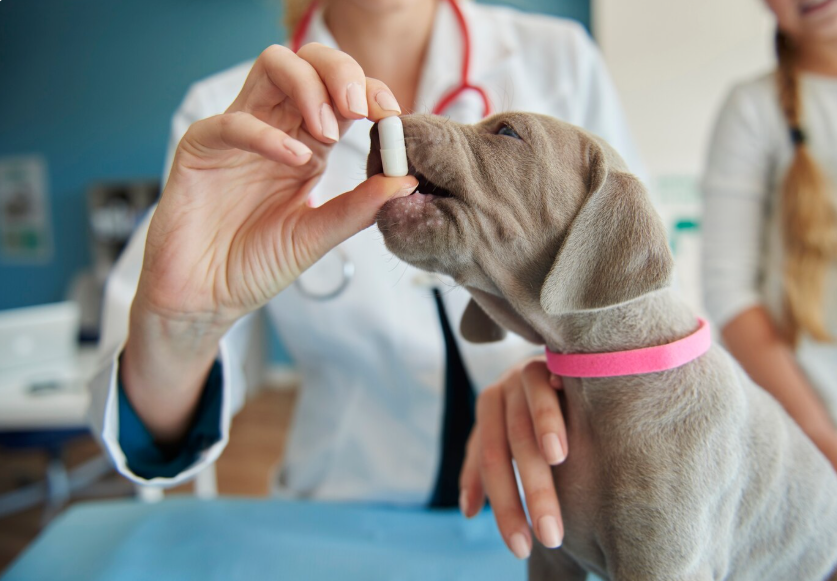
Canine diabetic treats are snacks selected for dogs with diabetes mellitus. They are intended to provide an occasional reward without unnecessarily increasing daily calories or disrupting the dog’s established feeding routine.
Unlike ordinary dog treats, diabetic-friendly options need to be considered in relation to the dog’s complete diet, insulin schedule, weight, and other medical conditions.
There is no single treat that is automatically suitable for every diabetic dog. Some dogs do well with small pieces of plain cooked chicken, while others may need lower-fat options or treats compatible with a prescription diet.
Why Does Treat Selection Matter?
A dog’s body uses insulin to help move glucose from the bloodstream into cells. In diabetic dogs, the body does not produce enough insulin or cannot use it effectively, so blood glucose levels can become too high.
Food, insulin, exercise, and daily activity all influence glucose regulation.
Treats can affect this balance in several ways:
- Extra carbohydrates: Some snacks contain easily digested carbohydrates or added sugars that can influence blood glucose.
- Additional calories: Frequent treats can contribute to weight gain, which may make diabetes management more difficult.
- Changes in appetite: Too many snacks may reduce a dog’s interest in its regular meals.
- Inconsistent feeding: Giving treats at unpredictable times or in changing quantities can make an established routine harder to manage.
The goal is not necessarily to eliminate every snack. It is to choose appropriate treats, control portions, and keep the dog’s overall routine consistent. <Cite refs={[“turn399312search0″,”turn399312search2″,”turn399312search4”]}/>
Best Treats for Dogs With Diabetes
Many simple foods can be used as occasional treats for diabetic dogs, provided they are safe for the individual animal and approved by the veterinarian.
The following options are commonly considered when planning lower-calorie or lower-sugar snacks.
1. Plain Cooked Chicken
Plain chicken is a convenient protein-based treat for many dogs.
It contains protein and generally has very little carbohydrate when prepared without sauces or coatings.
How to prepare it:
- Use boneless, skinless chicken.
- Cook it thoroughly.
- Avoid salt, butter, oil, and seasoning.
- Remove all bones.
- Allow it to cool before serving.
- Cut it into very small pieces.
Chicken can be useful during training because small pieces are easy to portion.
However, dogs with food allergies, kidney disease, or other dietary restrictions may need a different protein source. Chicken should also be avoided if it is a known allergy trigger.
2. Green Beans
Plain green beans are a popular low-calorie vegetable option for dogs.
They provide fibre and can add variety without contributing as many calories as many commercial biscuits.
Serving suggestions:
- Wash fresh green beans.
- Remove tough ends if necessary.
- Serve them plain and cut into manageable pieces.
- Cook them until appropriately soft if your dog struggles with raw vegetables.
- Avoid canned varieties containing added salt or seasoning.
Green beans can be offered in small portions as an occasional snack, depending on your dog’s nutritional requirements.
3. Cucumber
Cucumber contains a high proportion of water and is relatively low in calories.
It can be a refreshing snack, particularly during warm weather.
Wash the cucumber thoroughly and cut it into small pieces to reduce choking risk. Most dogs can eat the flesh and peel, provided the cucumber is clean and the pieces are appropriately sized.
Do not add salt, chilli, sauces, or other seasonings.
Cucumber should complement your dog’s regular food rather than replace a balanced meal.
4. Zucchini
Plain zucchini is another vegetable that may work as an occasional treat.
It contains water and fibre and is relatively low in calories.
You can offer small pieces of washed raw zucchini or lightly cooked zucchini without oil, butter, or seasoning.
Introduce it gradually because some dogs may experience gas or digestive discomfort when they eat unfamiliar vegetables.
5. Carrots
Carrots contain fibre and useful nutrients, but they also contain natural carbohydrates.
They are not automatically unsuitable for diabetic dogs, but portion size matters.
Small pieces of raw or lightly cooked carrot can be used as an occasional snack if your veterinarian approves.
Avoid offering large quantities simply because carrots are vegetables. Their calories and carbohydrate content still contribute to the dog’s daily intake.
6. Broccoli
Plain broccoli can be offered to some dogs in small amounts.
It contains fibre and relatively few calories when served without added fats or sauces.
Wash it properly and serve small florets, either raw or lightly cooked. Large quantities may cause digestive upset, including gas.
Your veterinarian can help determine whether broccoli fits your dog’s diet and portion allowance.
7. Lean Cooked Turkey
Plain turkey can be another protein-based option.
Choose lean, boneless turkey meat and cook it thoroughly without seasoning.
Avoid processed turkey products such as deli slices, sausages, or heavily salted meat. These may contain excessive sodium, added fats, seasonings, or other ingredients that are not appropriate for dogs.
Cut the cooked meat into small pieces before offering it.
8. Plain Cooked Fish
Some dogs can enjoy small amounts of plain cooked fish.
Fish provides protein, and certain varieties also contain omega-3 fatty acids.
Suitable preparation matters:
- Cook the fish thoroughly.
- Remove every bone carefully.
- Avoid salt, butter, oil, and sauces.
- Do not use battered or fried fish.
- Introduce new fish gradually.
Fish is not suitable for every dog, particularly one with a fish allergy or a medical condition requiring a specific diet.
9. Small Pieces of Apple
Some diabetic dogs can have a little fresh apple as an occasional treat.
Apple contains natural sugar, so it should not be treated as a completely sugar-free snack.
Wash the apple, remove the seeds and core, and cut the flesh into very small pieces.
Offer only a small quantity after checking with your veterinarian. Avoid apple pie, sweetened applesauce, and products containing added sugar.
10. Strawberries
Strawberries contain natural sugars, but small portions may fit into some dogs’ diets.
Wash them thoroughly, remove the green tops, and cut them into small pieces.
Because they contain carbohydrates, they should be counted as part of the dog’s daily food allowance rather than offered freely.
11. Your Dog’s Regular Kibble
One of the simplest ways to reward a diabetic dog is to use a portion of its regular food.
Set aside a small amount from the dog’s measured daily meal and use individual pieces during training.
This approach has several advantages:
- It avoids introducing a new food.
- It helps maintain dietary consistency.
- It does not add calories if the pieces are taken from the normal daily allowance.
- It can reduce the number of different ingredients in the diet.
Ask your veterinarian whether this is appropriate if your dog eats a prescription diabetic diet.
Commercial Diabetic Dog Treats: What Should You Look For?
Pet shops and online retailers sell treats marketed for diabetic dogs, but the words “diabetic-friendly,” “natural,” or “low sugar” do not automatically mean a product is suitable.
Read the packaging carefully and discuss the product with your veterinarian before making it part of your dog’s routine.
Check the Ingredient List
Look for a clear ingredient list that allows you to understand what the treat contains.
Depending on your dog’s nutritional needs, your veterinarian may recommend products that contain:
- A suitable source of animal protein
- Limited added sugars
- Appropriate amounts of dietary fibre
- Moderate or low fat, when necessary
- No ingredients that trigger known allergies
Avoid relying on marketing claims alone. The complete nutrient profile matters more than a single label statement.
Check the Calorie Content
Calories are important even when a treat contains little sugar.
A small dog may have a relatively low daily calorie requirement, meaning a few large snacks can contribute a significant amount of extra energy.
Check the number of calories per treat and calculate how many your dog can have within its daily allowance.
Look for Added Sugars
Read the ingredients for sugar, syrups, honey, molasses, and other sweetening ingredients.
Sweetened treats are generally poor choices for diabetic dogs because easily digested sugars can cause rapid changes in blood glucose.
Consider Fat Content
Some diabetic dogs also have pancreatitis, obesity, or abnormal blood lipid levels.
For these dogs, high-fat treats may create additional health concerns.
A low-sugar treat is not necessarily a low-fat treat. Check both values and follow your veterinarian’s recommendations.
Ask About Prescription-Diet Compatibility
If your dog eats a veterinary prescription diet, adding unrelated treats may affect the nutritional plan.
Ask whether the manufacturer offers compatible treats or whether small portions of the prescribed food can be used as rewards.
Treats and Foods to Avoid for Diabetic Dogs
Some foods can make diabetes management more difficult, while others are directly toxic to dogs.
Avoid offering the following without specific veterinary approval.
1. Sugary Biscuits and Cookies
Human biscuits, cakes, cookies, and sweet pastries often contain added sugar and refined carbohydrates.
They may also contain butter, chocolate, or other ingredients that are inappropriate or dangerous for dogs.
Choose a suitable dog treat instead, or use a small portion of your dog’s regular food as a reward.
2. Honey and Syrups
Honey, maple syrup, corn syrup, and similar sweeteners contain concentrated sugars.
They are not appropriate routine treats for diabetic dogs.
Do not assume that natural sweeteners are safer than ordinary sugar. Their natural origin does not remove their carbohydrate content.
3. Sweetened Peanut Butter
Some peanut butter products contain added sugar, salt, oils, or artificial sweeteners.
Most importantly, certain products contain xylitol, an artificial sweetener that is highly toxic to dogs and can cause a dangerous drop in blood glucose.
Never give peanut butter unless you have checked the full ingredient list and confirmed that it contains no xylitol. Even xylitol-free peanut butter may be too high in fat or calories for some dogs.
4. High-Starch Treats
Some biscuits, crackers, bread products, and starchy snacks contain substantial amounts of digestible carbohydrates.
These foods may make glucose regulation more difficult, depending on the amount and the dog’s individual diet.
Avoid using ordinary human snacks as a regular reward.
5. Sweetened Yogurt
Flavoured yogurt and dessert-style dairy products may contain added sugars.
Even plain yogurt is not suitable for every dog because some animals have difficulty digesting lactose or need a low-fat diet.
Ask your veterinarian before offering dairy products.
6. Fatty Meat Scraps
Bacon, sausages, fatty beef trimmings, and heavily processed meats are poor choices for routine diabetic treats.
They can contribute excess calories and fat. This is especially concerning for dogs with obesity, elevated blood lipids, or pancreatitis.
Choose plain, appropriately lean protein when approved.
7. Grapes and Raisins
Grapes and raisins can cause serious kidney injury in dogs. The toxic amount is unpredictable, so even a small exposure should be taken seriously.
Never use grapes or raisins as treats.
8. Chocolate
Chocolate contains substances called theobromine and caffeine, which are toxic to dogs.
The risk depends on the type of chocolate, the quantity eaten, and the dog’s body weight.
Keep chocolate, cocoa powder, and chocolate-containing snacks away from your pet.
9. Onion and Garlic
Onions, garlic, leeks, and chives can damage red blood cells and cause anaemia in dogs.
They should not be used in homemade diabetic treats, cooked meals, or seasoned leftovers.
10. Xylitol-Containing Products
Xylitol can cause a rapid and dangerous drop in blood glucose in dogs. It may also cause liver injury.
It can be found in some sugar-free gums, sweets, baked products, peanut butter, and other human foods.
If your dog eats something containing xylitol, contact an emergency veterinarian immediately. Do not wait for symptoms to develop.
How Many Treats Can a Diabetic Dog Have?
There is no universal number of treats that is suitable for every diabetic dog.
The appropriate amount depends on body weight, daily calorie requirements, the main diet, activity level, insulin routine, and other medical conditions.
The World Small Animal Veterinary Association (WSAVA) generally recommends that treats make up no more than 10% of a dog’s daily calories. However, a diabetic dog may need a stricter allowance based on its individual treatment plan. Your veterinarian may recommend considerably less.
Understand the 10% Guideline
For example, if a veterinarian determines that a dog needs 500 calories per day, the general 10% treat guideline would equal 50 calories.
However, this is an example of the general guideline, not a recommended allowance for every diabetic dog.
The veterinarian may decide that fewer calories should come from treats to maintain stable weight and glucose management.
Use Very Small Portions
Large snacks are not necessary to reward a dog.
Instead of offering one large biscuit, consider several tiny pieces of an approved treat. This can make training more rewarding without adding as many calories.
Count Every Snack
Remember that calories can come from more than packaged dog treats.
Include food scraps, vegetables, meat pieces, training rewards, dental chews, and anything else your dog eats outside its regular meals.
Keeping a simple daily food record can help prevent accidental overfeeding.
When Should You Give Treats to a Dog With Diabetes?
Consistency is important when managing canine diabetes.
Most dogs receiving insulin have a feeding routine that is coordinated with their medication. Treats should not interfere with the dog’s normal meals or insulin schedule.
Follow the Established Meal Schedule
Many diabetic dogs eat at consistent times, often twice daily, with insulin given according to the veterinarian’s instructions.
Try to keep the amount and timing of treats predictable as well.
Some dogs may be allowed small treats at certain times, while others may need to avoid snacks between meals.
Avoid Giving Treats Instead of Meals
A treat is not a replacement for a complete and balanced meal.
If your dog refuses its regular food, do not try to solve the problem by offering multiple snacks.
A reduced appetite can indicate illness or a diabetes-related complication. Contact your veterinarian for advice about feeding and insulin.
Be Careful Around Insulin Injections
Some owners use a small approved reward after an injection to make the experience more positive.
This may be appropriate if the veterinarian agrees and the treat does not interfere with the feeding plan.
Never change insulin timing or dosage to accommodate snacks.
Keep Exercise and Food Routines Consistent
Unexpected changes in physical activity and food intake can influence glucose levels.
If your dog receives treats during training or walks, include them in the daily calorie plan and keep the routine reasonably consistent.
The 2026 American Animal Hospital Association (AAHA) diabetes guidelines emphasise consistency in food, treats, exercise, and insulin management. <Cite refs={[“turn399312search2″,”turn399312search4″,”turn399312search9”]}/>
Homemade Diabetic Dog Treat Ideas
Homemade snacks can give owners greater control over ingredients. However, homemade treats should still be portion-controlled and approved for the dog’s medical needs.
They should not replace a complete and balanced diabetic diet.
Plain Chicken Bites
Ingredients:
- Boneless, skinless chicken breast
- Water
Preparation:
- Cook the chicken thoroughly in plain water.
- Allow it to cool.
- Check carefully for bones or unwanted pieces.
- Cut it into very small cubes.
- Refrigerate unused portions promptly.
Offer only the amount approved by your veterinarian.
Green Bean Snacks
Ingredients:
- Fresh green beans
- Water
Preparation:
- Wash the green beans.
- Remove the ends if needed.
- Steam or boil until appropriately soft.
- Allow them to cool.
- Cut them into small pieces.
Do not add salt, butter, garlic, or seasoning.
Cucumber Bites
Ingredients:
- Fresh cucumber
Preparation:
- Wash the cucumber thoroughly.
- Remove any damaged areas.
- Cut it into small, manageable pieces.
- Serve a small portion.
Avoid large chunks that may create a choking risk.
Zucchini Pieces
Ingredients:
- Fresh zucchini
- Water
Preparation:
- Wash the zucchini.
- Cut it into small pieces.
- Steam or boil without seasoning if cooking is preferred.
- Allow it to cool.
- Offer a small amount.
Introduce new ingredients one at a time so you can notice any digestive reaction.
Important Note About Homemade Recipes
Do not add honey, sugar, syrup, salt, onion, garlic, butter, or seasoning to homemade treats.
Also, avoid making large batches of a new recipe before confirming that your dog tolerates it.
If your dog has kidney disease, pancreatitis, allergies, or another medical condition, some otherwise suitable ingredients may not be appropriate.
Special Considerations for Diabetic Dogs With Other Health Problems
Diabetes does not always occur on its own. Some dogs have additional medical conditions that affect which treats they can safely eat.
Dogs With Pancreatitis
Dogs with pancreatitis may need a carefully controlled low-fat diet.
Fatty meat, cheese, oily fish, and rich commercial treats may be unsuitable.
Ask your veterinarian for low-fat options that fit both the diabetes and pancreatitis treatment plans.
Dogs That Are Overweight
Excess body weight can make diabetes management more difficult in some dogs.
For overweight pets, the veterinarian may recommend a controlled weight-loss plan. Treat calories should be included in the daily calorie target.
Low-calorie rewards and portions taken from the dog’s normal food allowance may be useful.
Dogs With Kidney Disease
Chronic kidney disease can change a dog’s requirements for protein, phosphorus, sodium, and other nutrients.
A treat that is suitable for a diabetic dog without other conditions may not be suitable for one with kidney disease.
Follow the dietary advice provided by the veterinarian, particularly if your dog eats a renal prescription diet.
Dogs With Food Allergies
If your dog has a known food allergy, check every treat ingredient carefully.
A limited-ingredient treat may be useful, but the ingredient list must still be compatible with the dog’s prescribed elimination or allergy-management plan.
Signs That Your Dog May Be Having a Diabetes-Related Problem
Treat selection is only one part of managing canine diabetes. Owners should also recognise signs that glucose levels may be poorly controlled or dangerously low.
Signs of High Blood Glucose
Possible signs of poorly controlled diabetes include:
- Increased thirst
- Frequent urination
- Increased hunger
- Unexplained weight loss
- Reduced energy
- Cloudy eyes or cataracts
These symptoms warrant veterinary assessment and may indicate that the treatment plan needs review.
Signs of Low Blood Glucose
Hypoglycemia occurs when blood glucose falls too low. It can become life-threatening.
Warning signs include:
- Sudden weakness
- Shaking or trembling
- Unusual behaviour
- Disorientation
- Poor coordination
- Seizures
- Collapse
If you suspect hypoglycemia, contact your veterinarian or an emergency veterinary clinic immediately.
If your dog is unconscious or having a seizure, do not put food, liquid, or your fingers into its mouth. Follow emergency veterinary instructions and seek immediate care.
Do not try to manage suspected hypoglycemia by simply giving extra treats or changing the insulin dose without veterinary guidance.
Frequently Asked Questions About Canine Diabetic Treats
1. Can diabetic dogs have treats?
Yes, many diabetic dogs can enjoy occasional treats. The important factors are the ingredients, portion size, calories, timing, and compatibility with the dog’s overall diet. Ask your veterinarian which options are suitable.
2. What are the best treats for diabetic dogs?
Depending on the individual dog’s needs, suitable options may include small pieces of plain cooked chicken, lean turkey, cucumber, green beans, zucchini, or portions of the dog’s regular food. Not every option is appropriate for every diabetic dog.
3. Can diabetic dogs eat carrots?
Some diabetic dogs can eat small amounts of carrots. However, carrots contain natural carbohydrates, so portion size matters. Ask your veterinarian how they fit into your dog’s daily food allowance.
4. Is peanut butter safe for diabetic dogs?
Peanut butter is not automatically a suitable choice. Some products contain added sugar, high levels of fat, or xylitol, which is toxic to dogs. Only consider a product after checking its ingredients and discussing it with your veterinarian.
5. Can diabetic dogs eat fruit?
Some dogs may have small portions of selected fruits, such as apple or strawberry, if their veterinarian approves. Fruit contains natural sugars and calories, so it should be counted as part of the daily diet. Grapes and raisins must never be given to dogs.
6. Are commercial diabetic dog treats better than homemade treats?
Not necessarily. A commercial product may be convenient, but its nutritional profile and ingredients still need to be checked. Homemade treats offer greater control over ingredients, but their portions and calories also need to be managed.
7. Should diabetic dogs avoid all carbohydrates?
No. Dogs need a nutritionally appropriate, balanced diet, and carbohydrates are not automatically harmful. The type, quantity, fibre content, and consistency of the overall diet matter. Follow the diet recommended by your veterinarian rather than removing entire nutrient groups independently.
8. How many treats can I give my diabetic dog each day?
There is no fixed number for all diabetic dogs. The general WSAVA guideline is to keep treats below 10% of daily calories, but some diabetic dogs need a smaller allowance. Your veterinarian can calculate a suitable amount based on your dog’s health and diet.
9. Can I give treats after insulin injections?
Some dogs can receive a small approved reward after an injection, provided it fits their feeding plan. Keep insulin administration and meal timing consistent, and never adjust medication to compensate for treats.
10. What should I do if my diabetic dog eats a sugary treat?
Do not panic, but contact your veterinarian for advice, especially if the amount was substantial or the product contained an unknown ingredient. Check the packaging for xylitol and seek emergency help immediately if it may have been consumed. Do not change the insulin dose without veterinary instructions.
Final Thoughts
Canine diabetic treats can remain part of a dog’s life after a diabetes diagnosis, but they need to be chosen thoughtfully. Plain cooked chicken, green beans, cucumber, zucchini, and small portions of other veterinarian-approved foods may offer useful alternatives to sugary commercial snacks.
The most important principles are to control portions, count calories, avoid toxic ingredients, and maintain a consistent feeding and insulin routine. Remember that low sugar does not automatically mean a treat is suitable for every dog, particularly when other health conditions are present.
Work with your veterinarian to choose snacks that fit your dog’s nutritional requirements and treatment plan. With careful food choices and regular monitoring, many diabetic dogs can continue enjoying rewards while maintaining a good quality of life.